Independent clothing brands often begin with a simple idea, a creative vision, or a passion for fashion. What makes these successful clothing brands stand out is not just their products, but the journey behind how they built loyal communities, overcame challenges, and turned small startups into recognized fashion businesses.
From niche streetwear labels to fast-growing apparel companies, many independent clothing brands have proven that strong branding, innovation, quality, and consistency can create long-term success. Their stories reflect how fashion entrepreneurs used creativity, persistence, and smart business decisions to grow in a competitive industry.
These clothing brand success stories also offer valuable lessons for founders, designers, and anyone planning to launch a fashion label. Whether it’s building a unique identity, connecting with customers, or scaling production, every successful brand started somewhere.
In this blog, we explore some of the most successful independent clothing brands that started small and built inspiring businesses through vision, resilience, and strategic growth.
Top 5 Success Stories of Independent Clothing Brands
1. Yvon Chouinard founded Patagonia in 1973
Story: Yvon Chouinard started Patagonia with a small scale. He was a rock climber who used to create his own tools and later he started making clothes for other climbers as well. His products focus mainly on high-quality and sustainability. This brand is also environmentally friendly and Yvon pledged to donate 1% of the company’s profits to environmental causes. Patagonia is now one of the most respected outdoor brands worldwide, sticking to its commitment to being sustainable.

2. Shawn Stussy founded Stüssy in 1980
Story: Shawn Stussy was a surfboard shaper who started putting his signature on shirts he used to sell alongside his surfboards in Laguna Beach, California. His hand-drawn logo caught everyone’s attention. Once started as a small business, grew into one of the first streetwear brands. Stüssy has had a massive influence on skate, surf, and hip-hop cultures and is now recognized as a pioneer in streetwear fashion, enjoying success in the market even after more than 40 years.

3. Sara Blakely founded Spanx in 2000
Story: With barely $5,000, Sara Blakely launched Spanx She created a slimming undergarment by chopping off the feet of her pantyhose. She had pitched her idea to a number of department stores and manufacturers until Oprah Winfrey listed Spanx as one of her favorite goods, which gave her a big break. Blakely became a self-made billionaire as Spanx became a huge hit. The company, which formerly only sold shapewear, is now known for its active wear and apparel lines.

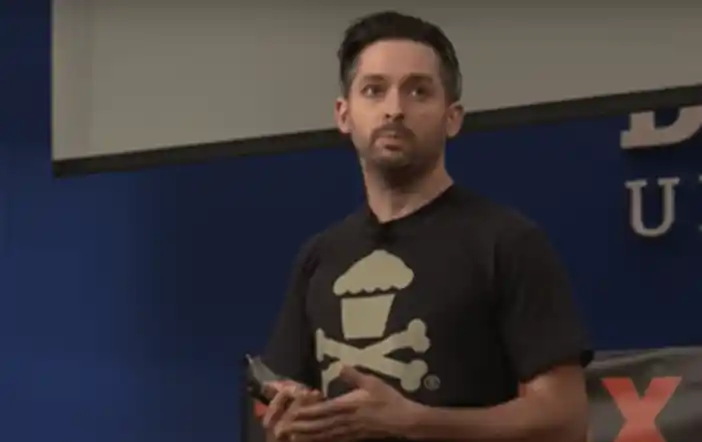
4. Johnny Earle founded Johnny Cupcakes in 2001
Story:Earle started his business as a unique t-shirt line with cupcake designs, primary out by selling shirts out of his van. But then again his original ideas and limited-edition bakery-themed boutiques became well-known very fast. From side to side using innovative marketing strategies and word-of-mouth advertising, Johnny Cupcakes became a well-known worldwide creation praised for its individuality and vibrant community, showing that untraditional concepts can achieve exceptional success.
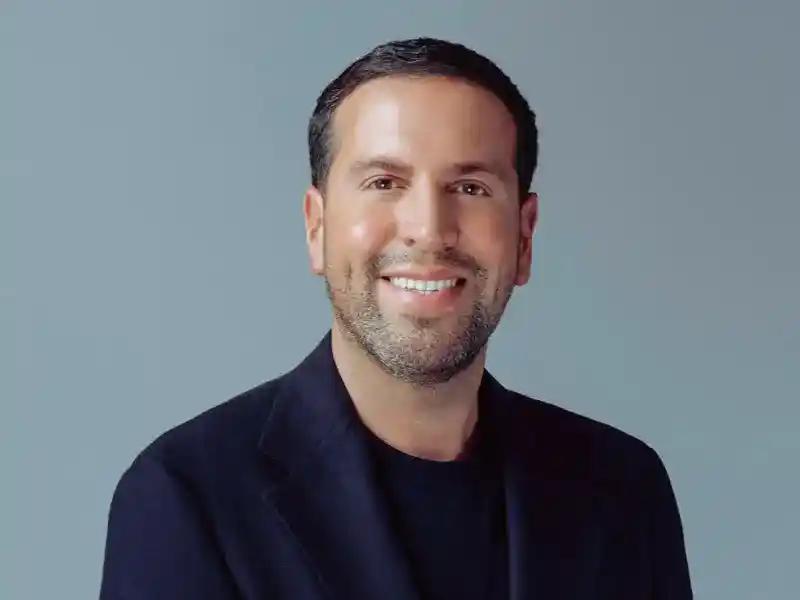
5. Richard Saghian founded Fashion Nova 2006
Story: He started it as small Los Angeles The brand gained attention when he used his Instagram marketing to reach a wider audience. Partnering with influencers and celebrities like Cardi B, Fashion Nova became trendy yet affordable clothing. With the help of social media , Fashion Nova transformed into a billion-dollar brand, bringing revolution in the fashion industry.
Key Takeaways from Their Success
- Authenticity: These businesses remain loyal to their objectives and remain true to their own identity which helps them flourish .
- Innovation: These big business recycled revolution to capture market possibilities
- Sustainability: Through the request of moral and workable business principles, these businesses were able to expand and meet the growing demand for ethical and sustainable purchasing.
- Niche Markets: Rather than trying to capture large market segments, these companies focused on smaller, niche markets and gradually cultivated their communities.
- Social Media presence : Some of the business understood the value of investing and social media, which helped them to enhance brand awareness
How Maker’s Row Can Help Build Your Clothing Brand
The journey of successful independent clothing brands shows that strong ideas, persistence, and the right production partners can turn small fashion startups into recognized businesses. Whether you’re launching a niche streetwear label, sustainable apparel line, or growing a new fashion venture, building the right foundation matters.
For entrepreneurs looking to start or scale a clothing brand, Maker’s Row helps simplify the process by connecting businesses with trusted apparel manufacturers, sourcing partners, and production experts. From product development and sampling to manufacturing and delivery, the platform supports brands at every stage of growth.
By making sourcing easier and helping founders access reliable local manufacturing partners, Maker’s Row gives clothing brand entrepreneurs the tools to innovate, scale efficiently, and build stronger apparel businesses in a competitive market.
Also Read “Best Korean Skincare Brands for ‘Glass Skin‘”