Finding the right clothing manufacturer in the USA can be one of the most important steps in turning an apparel concept into a finished product. Brands often need to evaluate manufacturers based on their product category, production capabilities, minimum order quantities (MOQs), location, pricing, lead times, and experience with similar garments. Without a clear process, finding and evaluating potential production partners can become time-consuming and difficult.
Before contacting a manufacturer, it is important to define exactly what you need to produce. Your product type, materials, construction details, expected order quantity, target cost, and production timeline will help determine the type of manufacturing partner that best fits your project. Depending on your requirements, you may need a custom manufacturer, cut-and-sew factory, private label producer, small-batch manufacturer, or another type of apparel production partner.
Once your requirements are clear, you can begin researching potential manufacturers and comparing them based on their capabilities, location, MOQ, sample development process, quality standards, and previous experience. Maker’s Row can help you find clothing manufacturers in the USA, and explore manufacturing partners based on your specific production needs.
The goal is not simply to find a factory that can make clothing, but to identify a manufacturing partner that can consistently meet your product specifications, quality expectations, production quantities, budget, and timeline.
In this guide, we’ll explain how to find a clothing manufacturer in the USA, what information to prepare before reaching out, how to evaluate manufacturers, what questions to ask, how to compare samples and MOQs, and what to consider before placing your first production order.
What You Need Before Approaching Any Manufacturer
The fastest way to get ignored by a factory is to reach out without the basics ready. Manufacturers receive dozens of enquiries a week. Brand owners who come prepared get responses. Those who do not, usually do not.
Before you find a clothing manufacturer and make contact, have these four things ready.
A tech pack or detailed product brief. A tech pack is the specification document that tells a manufacturer exactly what to make: fabrics, measurements, construction details, trims, labels, and finish. Without one, every conversation starts from scratch and ends with a quote you cannot trust. If you are not ready to invest in a full tech pack, a detailed brief with sketches and material references is enough to open a conversation. For a full breakdown, read the complete guide to creating an apparel tech pack.
Your target MOQ. Minimum order quantity determines which factories will work with you. US clothing manufacturers typically start at 50 units for small-batch cut and sew, up to 300-500 units for larger facilities. Know your number before you reach out. If you need a full explanation of how MOQ works and how to negotiate it, read What is MOQ: A Brand Owner’s Guide.
Your fabric and material requirements. Do you need organic cotton? A specific weight of French terry? Recycled polyester? Knowing your materials narrows your search when you find a clothing manufacturer, because many factories specialise by fabric type. This saves weeks of back-and-forth with factories that cannot source what you need.
A realistic budget per unit. US manufacturing costs more per unit than overseas. Cut and sew production in the USA typically runs $15-$45 per unit depending on garment complexity, fabric, and order size. Know what you can spend before you ask for quotes.
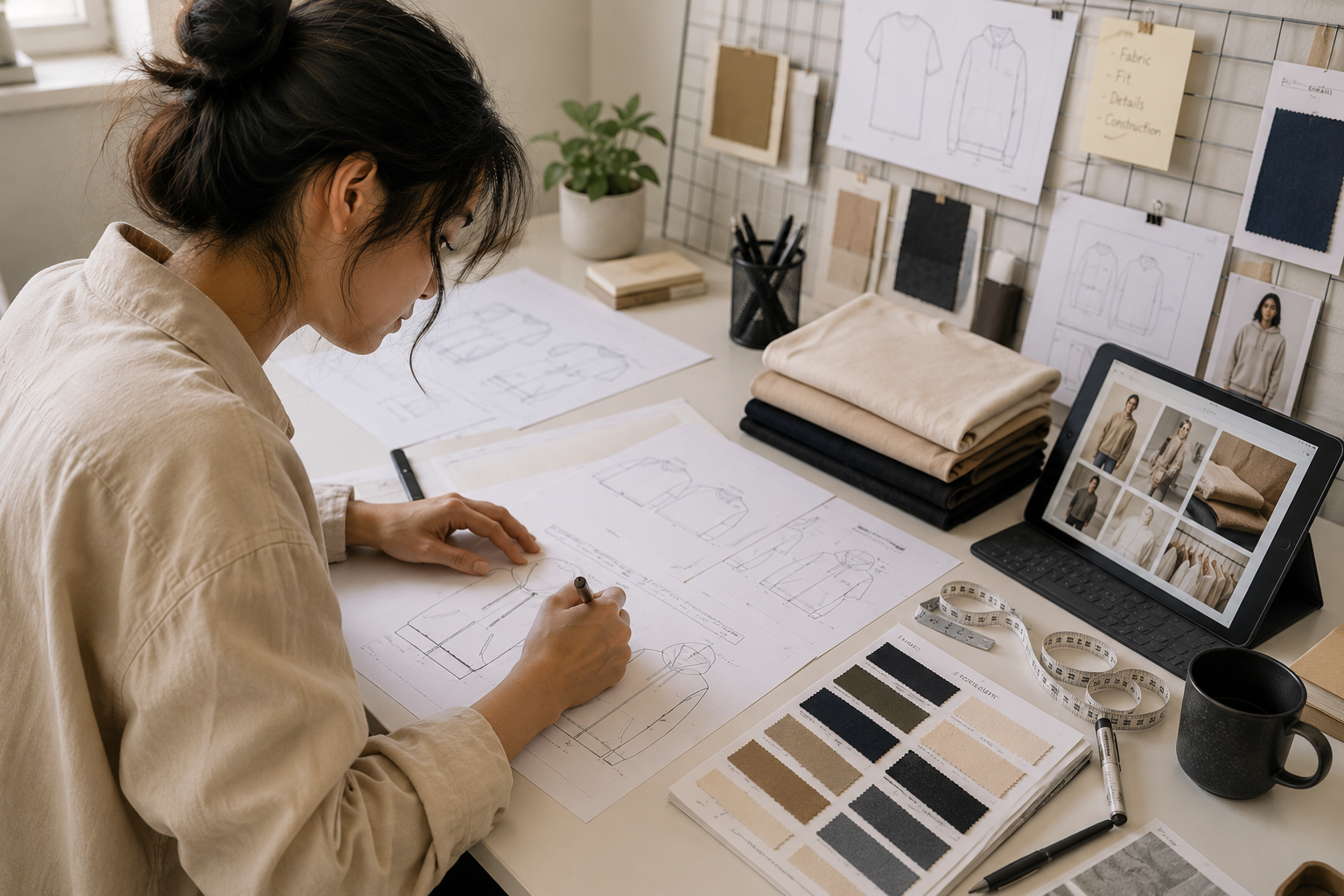
How to Find a Clothing Manufacturer: 5 Methods Compared
How to find a clothing manufacturer in the USA depends on your timeline, network, and production stage. There is no single path. Each method has trade-offs. Here is an honest comparison so you can choose the right approach for where your brand is right now.
Cold outreach via Google search. You search “cut and sew manufacturer USA,” find a list of factory websites, and start emailing. Response rates are low. Many factories do not prioritise inbound email from unknown brands. This method can work, but plan for a three-to-six-month timeline and significant follow-up effort.
Trade shows and industry events. Events like MAGIC in Las Vegas and the LA Textile Show connect brands directly with manufacturers and fabric suppliers. The advantage is face-to-face vetting. The disadvantage is cost, time, and shows happening on a fixed schedule. You cannot wait six months if your launch timeline is tighter than that.
Referrals from other brand owners. The most reliable leads come from founders who have already worked with a factory. A warm referral tells you the factory is legitimate, responsive, and capable. The gap is network access: if you are new, you may not know enough brand owners yet to get useful referrals.
Manufacturer directories. Platforms like Maker’s Row list verified factories with profiles, specialities, and contact details. Directories cut research time because the factory vetting is done before you arrive. The quality of listings varies, so check profiles carefully and prioritise factories with completed work shown.
Project posting platforms. Rather than searching for a clothing manufacturer, you post your production requirements and factories bid on your project. This flips the dynamic. Instead of chasing manufacturers, qualified factories come to you. Maker’s Row operates this way: post your project for free and verified US clothing manufacturers respond directly.
A Chicago-based activewear brand used this method to find a clothing manufacturer for their first 150-unit run of compression leggings. They posted a project brief on Maker’s Row, received four bids within 48 hours, compared samples from two factories, and went to production within six weeks. That is the timeline cold outreach rarely delivers.
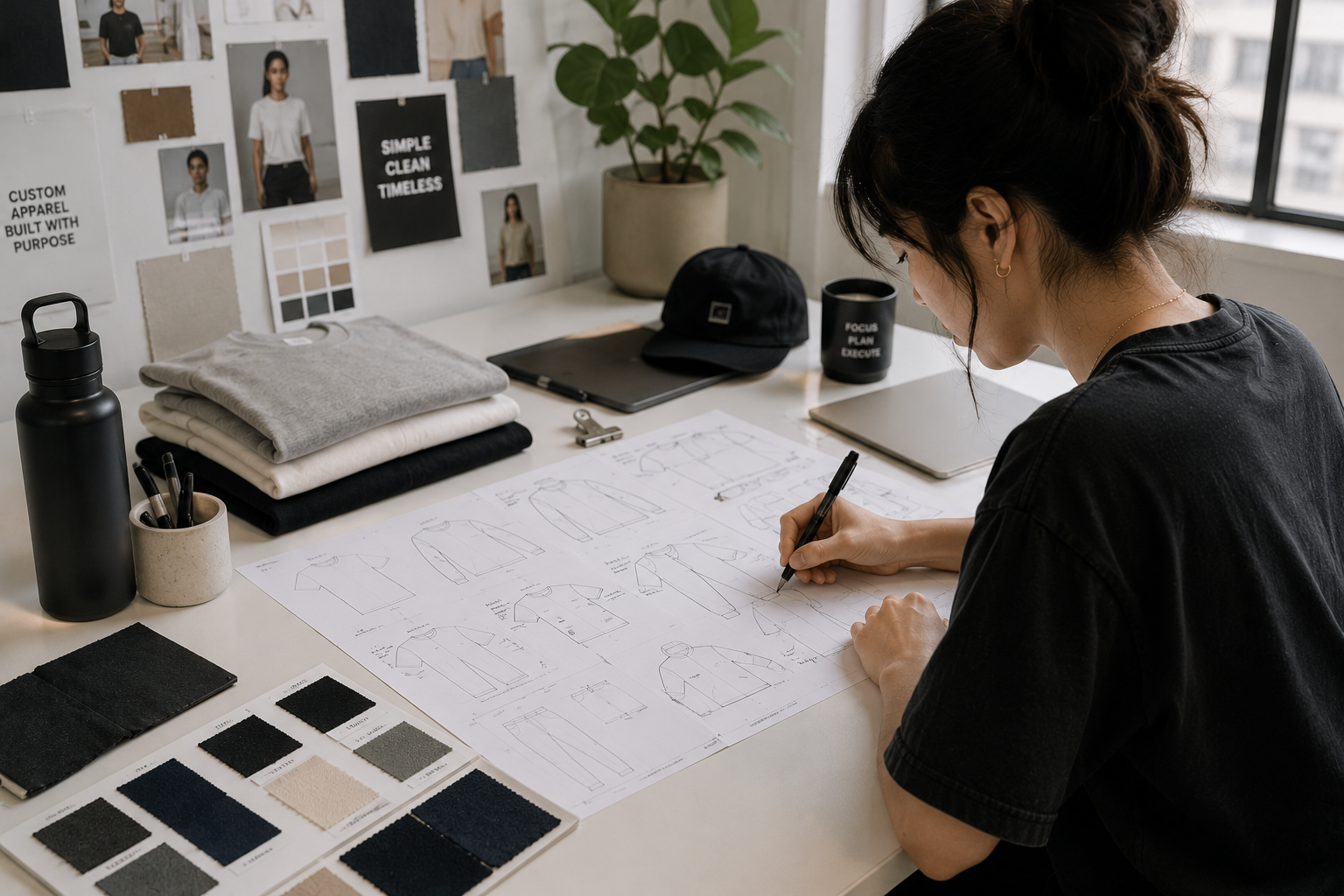
What to Look for in a US Clothing Manufacturer
Once you find a clothing manufacturer shortlist, evaluate every factory on these five criteria before requesting a quote. The right clothing manufacturer for your brand meets all five, not just two or three.
MOQ that fits your stage. A factory with a 500-unit minimum is not the right clothing manufacturer for a first order of 100 pieces. Confirm MOQ on the first contact call, not after you have sent your tech pack.
Speciality that matches your product. A factory that primarily produces denim is not the best clothing manufacturer for a technical activewear line. Ask what percentage of their work is in your product category and what brands they have produced for.
Sample policy and timeline. Sampling is where the relationship starts. A good clothing manufacturer will commit to a sampling timeline, typically two to four weeks for domestic factories, charge a fair sample fee, and communicate clearly through revisions. A factory that cannot tell you their sample lead time is already showing you how communication will go in production.
Communication speed. In the first conversation, note how quickly they responded to your initial enquiry, how clearly they answered your questions, and whether they asked the right questions back. A clothing manufacturer who communicates well at the outset almost always communicates well in production.
Certifications relevant to your category. If you are making children’s clothing, CPSC compliance matters. If you are marketing as sustainable, certifications like GOTS or bluesign add credibility. Ask what certifications the factory holds before you rely on claims in your own marketing.
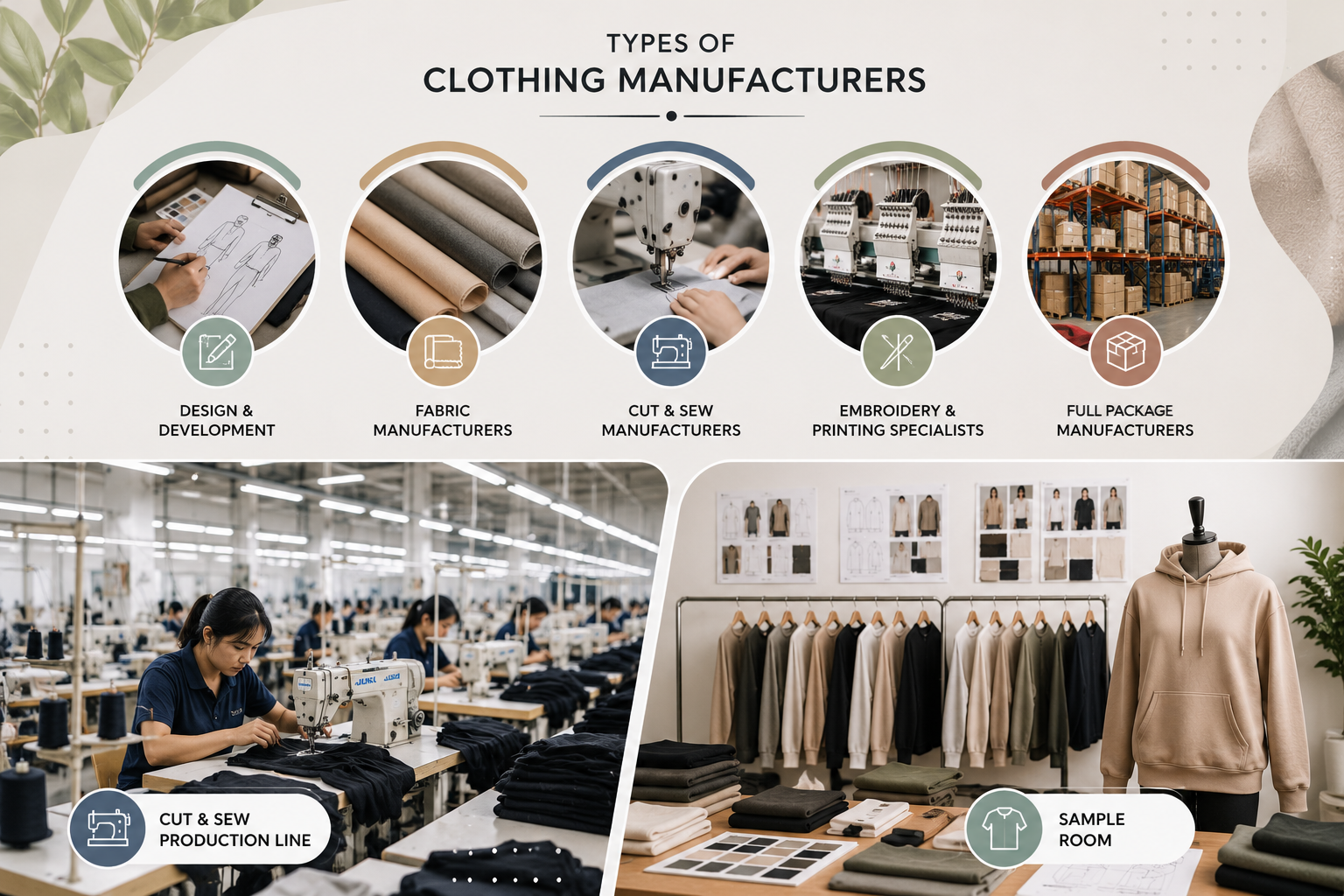
Manufacturer Types: Choosing the Right Production Model
Not all clothing manufacturers do the same thing. Choosing the wrong type is one of the most expensive early mistakes a brand owner can make. Before you find a clothing manufacturer to partner with, understand which production model fits your brand.
Manufacturer Type | What They Do | Best For | Typical MOQ |
Cut and Sew | Full production from fabric to finished garment | Custom designs, original styles | 50-300 units |
Private Label | Branding on pre-designed base styles | Fast launch, lower upfront cost | 100-500 units |
Sample Maker | Prototyping and development only | Testing fit and construction pre-production | 1-5 units |
Full Package Production (FPP) | Fabric sourcing through finished garment | Brands without sourcing infrastructure | 100-500 units |
Vertical Factory | All production stages in-house | Higher volumes, tight timelines | 300-1,000+ units |
For most first-time brand owners, a cut and sew or private label clothing manufacturer is the right starting point. Cut and sew gives you full control over design. Private label gets you to market faster with lower development cost.
If you are launching a small batch to test the market before scaling, read the guide to small batch manufacturers in the USA to find clothing manufacturers with low minimums.
Also Read: How to Start a Clothing Brand in the USA: Step-by-Step Guide 2026 ->
How to Vet a Clothing Manufacturer Before Committing
Never commit to a full production run with a clothing manufacturer you have not sampled. That rule alone prevents most of the costly mistakes new brand owners make.
Here is the vetting sequence to follow every time you find a clothing manufacturer worth pursuing.
- Request a product portfolio. Ask to see photos or samples of garments they have produced in your category. If a factory cannot show you relevant work, that is your answer.
- Order a sample before anything else. Pay for the sample. A clothing manufacturer that will not charge for sampling is not taking the project seriously. A sample fee of $150-$400 for a single garment is normal for domestic production.
- Evaluate the sample against your tech pack. Go line by line. Measurements within tolerance? Construction as specified? Fabric weight and finish as expected? Document every deviation. This review process is also a test of how the clothing manufacturer handles feedback.
- Ask for client references. A legitimate clothing manufacturer will have brand owners they have worked with. One conversation with a reference tells you more than three hours of searching online.
- Confirm payment terms before signing. US clothing manufacturers typically ask for 30-50% upfront with the balance on completion. Watch for factories that demand full payment before production starts.
- Get your NDA signed before sharing your tech pack. Any reputable clothing manufacturer will sign a Non-Disclosure Agreement without issue. This protects your design before a formal contract is in place.
Also Read: 20 Key Questions to Ask American Clothing Manufacturers ->
Find Clothing Manufacturers on Maker’s Row
Finding the right Apparel manufacturer does not have to mean months of cold emails. On Maker’s Row, post your clothing project for free and verified US clothing manufacturers bid directly. Review bids, check profiles, connect when ready.
The difference between a Maker’s Row project post and a cold email campaign: when you need to find a clothing manufacturer fast, factories on Maker’s Row are actively looking for new brand projects. When you post, manufacturers in your product category see your brief, confirm they can meet your MOQ and timeline, and respond with a bid. You are not chasing factories. They are coming to you.
Describe your product, your fabric requirements, your target MOQ, and your timeline in your project brief. Be specific. The more detail you include, the more accurate the bids you receive, and the faster you can move forward.
FAQs: How to Find a Clothing Manufacturer in the USA
The most effective way to find a clothing manufacturer for a small brand is posting a project on a marketplace like Maker’s Row, where factories who work with low-MOQ orders actively bid on new projects. Cold outreach works but takes significantly longer and has lower response rates. Small batch clothing manufacturers in the USA typically start at 50-100 units per style, so look specifically for cut and sew factories with low minimums.
According to AAFA industry data, domestic apparel manufacturers typically set MOQs between 50 and 500 units per style, depending on production method and factory size. Small-batch cut and sew clothing manufacturers often start at 50 units. Larger full-package facilities generally require 200-500. Your MOQ target should be confirmed before you request a quote.
Cut and sew production in the USA typically costs $15-$45 per unit for a basic garment, with pattern making running $150-$400 per design and sampling $100-$300 per piece. Bureau of Labor Statistics data shows the US textile and apparel industry employs over 250,000 workers across more than 11,000 establishments, reflecting the scale and variety of options available. Total first-order investment for a small brand often runs $5,000-$20,000 depending on product complexity and order volume.
Having a tech pack is strongly recommended, but not always required for initial conversations. Many clothing manufacturers will speak with you based on detailed sketches and material references. A complete tech pack is needed before you receive an accurate quote and before sampling begins. Some factories can help you develop a tech pack as part of a full-package service.
Via cold outreach, the search to find a clothing manufacturer alone typically takes one to three months. Via platforms like Maker’s Row, qualified clothing manufacturers respond within 24-48 hours of a project posting. Once you have selected a factory, domestic sampling takes two to four weeks. Budget six to ten weeks from project posting to approved sample.
Cut and sew clothing manufacturers produce custom garments from raw fabric according to your specifications, giving you full control over design, fit, and materials. Private label clothing manufacturers apply your branding to existing base styles the factory already produces. Cut and sew requires more upfront development work but results in a unique product. Private label is faster and cheaper to start but limits differentiation.
Before sharing detailed design files with any clothing manufacturer, request a Non-Disclosure Agreement. The United States Patent and Trademark Office provides resources on design patents for unique garment designs if you want formal IP protection. Reputable clothing manufacturers will sign an NDA immediately. A factory that resists signing one is not a factory you want to work with.
Your Clothing Manufacturer Is Already on Maker’s Row
Your clothing brand is one manufacturer away from becoming real. The factories are on Maker’s Row, ready to bid.
Post your project today, describe your product, your MOQ, and your timeline, and start receiving bids from verified US clothing manufacturers who work with brands at your stage.