Hemp fabric spent decades written off as a scratchy, hard-to-source niche material. That reputation no longer matches the product or the supply chain behind it. Clothing brands are choosing hemp in 2026 for reasons that have little to do with trend and everything to do with durability, sourcing, and cost.
If you are sourcing fabric for a new collection, the hemp conversation has changed faster than most brand owners realize. Processing improvements, softer blends, and a more established domestic supply chain have moved hemp from a fringe sustainability choice to a practical option for basics, outerwear, and accessories alike.
This matters most if you are a brand owner weighing fabric options against cost, durability, and a sustainability story you can actually back up with evidence. You do not need to switch your entire line to hemp to benefit from understanding it.
After reading, you will know exactly why other brands are making this switch, what it costs, and how to find a US manufacturer who can actually work with the material.
1. Hemp Fabric Is More Durable, Which Cuts Long-Term Replacement Costs
Hemp fabric is one of the strongest natural fibers available, which means garments made from it resist wear better than comparable cotton pieces over repeated washes and use. That durability translates directly into fewer return and replacement claims for brands selling premium basics or outerwear.
Bast fiber is the fiber taken from the stem of a plant like hemp or flax, rather than from a seed pod like cotton, and it is naturally longer and stronger than seed fiber. This structural strength is why hemp fabric holds its shape and resists pilling through heavy use, something brands in outdoor apparel and workwear categories care about specifically.
A Portland-based outerwear brand switched two of its best-selling jacket styles from a cotton-poly blend to a hemp-cotton blend in 2025 and reported fewer fabric-related warranty claims in the following two seasons. For brands building a reputation on quality, that kind of durability story is worth more than a marketing line.
2. Hemp Farming Uses Fewer Agricultural Inputs Than Conventional Cotton
Hemp is grown with minimal need for synthetic pesticides or herbicides, largely because the plant grows densely enough to crowd out weeds on its own. This lowers the environmental burden of the raw material before it ever reaches a mill.
According to Textile Exchange’s “Growing Hemp for the Future” report, sixty years of United Nations Food and Agriculture Organization data show 2021 global fiber hemp production by volume at roughly the same level as 1961, but grown on significantly less land and with far greater efficiency. That land-efficiency trend is a real, measurable advantage over more input-heavy fibers.
For brand owners, this is a claim you can make with a citation attached, not a vague sustainability statement. Textile Exchange also notes that further research is still needed to standardize hemp sustainability claims industry-wide, so avoid overstating specific water or carbon figures until your supplier can document them directly.
3. Is Hemp Fabric Legal to Source in the USA?
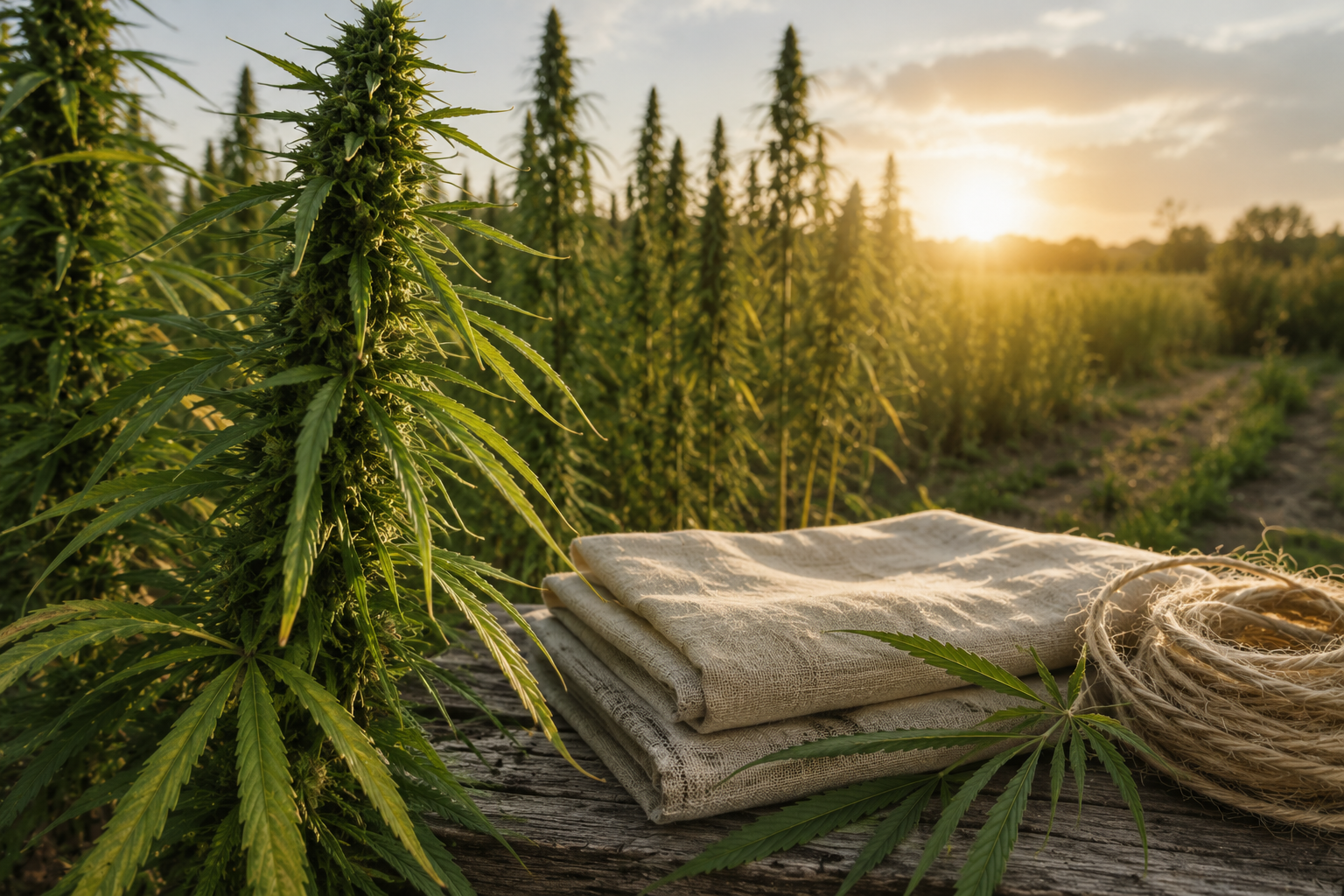
Yes. Domestic hemp cultivation has been federally legal since the 2018 Farm Bill clarified the rules separating industrial hemp from other cannabis products. That legal clarity is a major reason US hemp sourcing has expanded over the past several years.
Before 2018, most brands sourcing hemp had to import raw fiber or finished textiles, adding lead time and reducing supply chain transparency. Domestic decortication capacity, the processing step that separates hemp’s bast fiber from its woody core, has grown since then, though it remains smaller than established cotton infrastructure.
This means US hemp availability is real but still developing. Expect to work with manufacturers who blend domestic and imported hemp fiber rather than assuming a fully domestic hemp supply chain exists for every product category yet.
4. Modern Hemp Blends Solve the Old Comfort Complaints
The scratchy reputation attached to hemp came from earlier processing methods that left the fiber coarse. Modern mechanical softening and blending have largely resolved that issue for apparel-weight fabric.
Hemp blended with organic cotton, commonly in a 55/45 ratio, is now the most practical entry point for brands new to the fiber. The cotton content softens the hand feel while the hemp content retains most of the durability and reduced-input sourcing story. Hemp-lyocell and hemp-modal blends offer an even softer drape for tops and dresses.
MOQ (minimum order quantity) is the smallest number of units a manufacturer will produce per order, and hemp-blend fabrics typically carry MOQs of 100 to 300 units for cut-and-sew programs, higher than basic cotton but manageable for most early-stage brands.
5. How Much More Does Hemp Fabric Cost Than Cotton?
Hemp typically costs more per yard than conventional cotton, though less than premium organic cotton or silk. The exact premium depends heavily on blend ratio, certification, and whether the fiber is domestically processed or imported.
Brands should budget for a moderate per-unit cost increase when switching a style to hemp fabric, then weigh that against the durability gains covered in Reason 1. A jacket or bag that lasts longer and generates fewer returns can offset a higher material cost over a product’s lifecycle, particularly for brands selling at a premium price point already.
Get exact quotes before committing to a production run. Cost varies enough by supplier and blend that any specific per-yard figure quoted outside a real manufacturer conversation should be treated as a rough starting point only.
6. Hemp Fabric Fits a Wider Range of Product Categories Than You Might Expect
Hemp fabric works across a broader range of product types than its outdoor-and-workwear reputation suggests. Outerwear, bags, and workwear remain its strongest categories, but hemp blends now show up in basics, denim, and even activewear linings.
This versatility matters for sourcing simplicity. A brand that qualifies one hemp-blend manufacturer can potentially cover multiple product lines instead of managing separate suppliers for every fabric type, which reduces the operational overhead of running a small production team.
Cut-and-sew manufacturers who already work with denim or canvas weights are often a natural fit for heavier hemp fabrics, while brands building softer basics should look specifically for suppliers experienced in hemp-modal or hemp-lyocell blends.
7. Hemp Fabric Supports the Traceable, Durable Story Today’s Consumers Want
Consumers increasingly ask brands to back up sustainability claims with specifics rather than general language. Hemp gives brands a material story with real substance: documented land efficiency, reduced pesticide use, and a durability advantage that supports a buy less, buy better message.
This only works if the claims stay accurate. The Sustainable Apparel Coalition, also known as Cascale, provides frameworks brands use to verify environmental claims across a supply chain, and pairing hemp sourcing with that kind of documentation strengthens a brand’s credibility rather than leaving it exposed to greenwashing criticism.
The broader apparel and footwear industry AAFA represents contributes more than 523 billion dollars in annual US retail sales, and material sourcing decisions across that industry are shifting toward exactly this kind of documented, defensible sustainability story rather than unverified marketing claims.
8. Hemp Fabric vs. Cotton vs. Linen: Quick Comparison
Fabric | Durability | Typical MOQ | Cost Range | US Availability |
Hemp Fabric | Very high | 100–300 units | $$ | Moderate, growing |
Conventional Cotton | Moderate | 50–150 units | $ | High |
Linen | High | 50 units | $ | High |
Organic Cotton | Moderate-high | 50–150 units | $$ | High |
Find Hemp Fabric Manufacturers on Maker’s Row
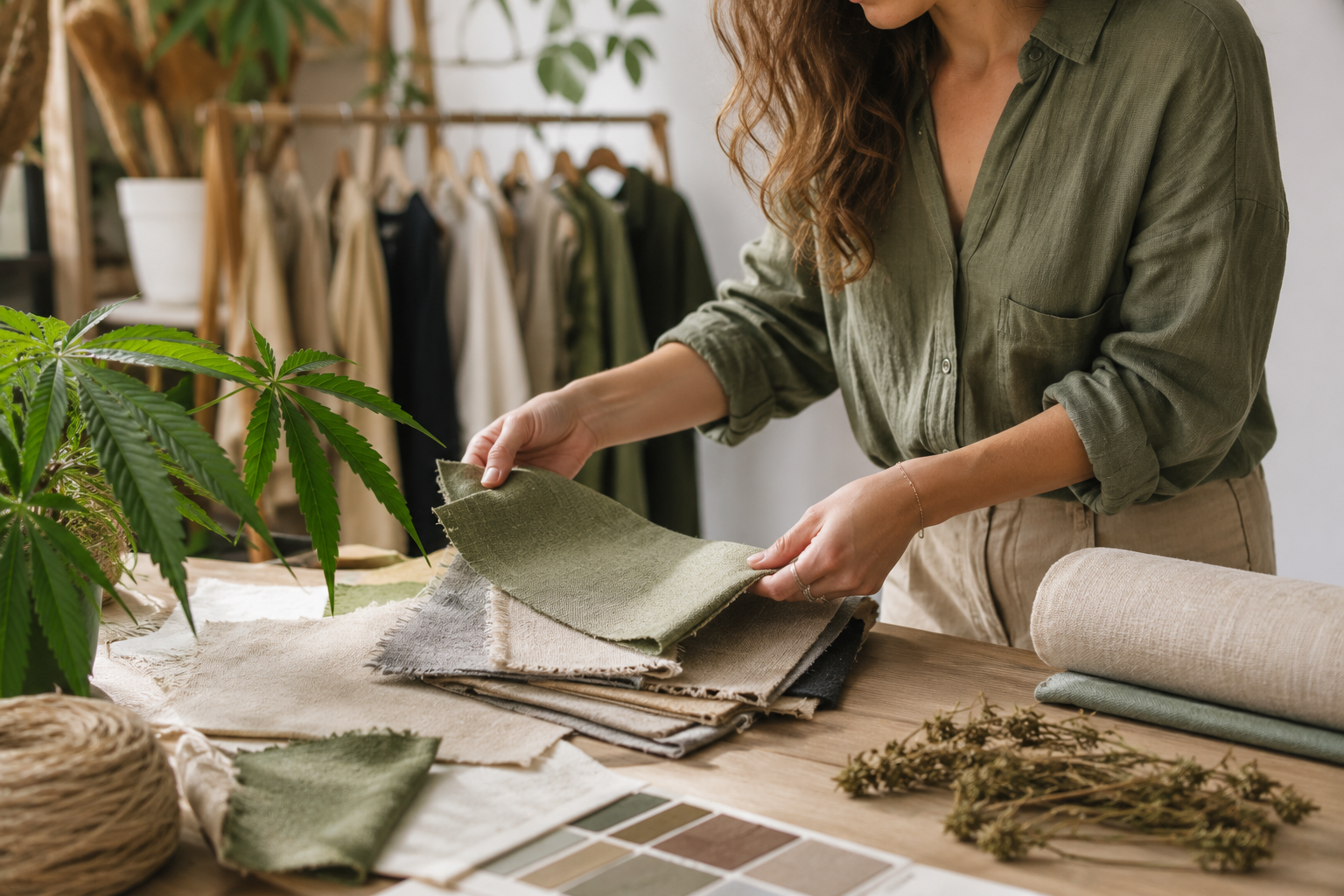
Sourcing a manufacturer who genuinely works with hemp, rather than one who lists it without real experience, is where most brand owners get stuck. Cold emails and trade show contacts take months, and many capable factories do not have strong web presences to begin with.
Maker’s Row is a marketplace connecting apparel brand owners with verified manufacturers in the USA. Post your hemp project for free and manufacturers who specifically work with hemp and hemp blends bid directly. Describe your target blend ratio, MOQ range, and product category in your brief, and factories who match respond without the back-and-forth of cold outreach.
Factories on Maker’s Row are active and responsive. Many reply within 24 to 48 hours of a new project being posted, which shortens the sourcing timeline considerably compared to the traditional cold-outreach approach.
Also Read: 10 Types of Biodegradable Fabrics for Clothing Brands →
FAQs About Hemp Fabric
Hemp generally requires fewer agricultural inputs than conventional cotton, based on Textile Exchange’s land-efficiency data on global hemp production. That said, sustainability depends on the full supply chain, including dyeing and finishing, not the raw fiber alone, so ask manufacturers for documentation rather than assuming every claim is equally verified.
Hemp itself was not illegal, but domestic cultivation was restricted because hemp and marijuana are both cannabis species and were regulated together for decades. The 2018 Farm Bill separated industrial hemp, defined by its low THC content, from other cannabis regulation and legalized domestic cultivation.
Hemp can shrink somewhat in its first few washes, similar to linen, though pre-washed or blended versions shrink less than raw, unprocessed hemp. Manufacturers typically pre-shrink fabric before cut-and-sew production, so confirm this step with your factory before finalizing a size chart.
Most US cut-and-sew manufacturers set MOQs of 100 to 300 units for hemp and hemp-blend fabric programs, higher than the 50 to 150 units common for cotton basics. Some manufacturers may offer lower MOQs for hemp-cotton blends specifically, so ask directly rather than assuming a single standard figure applies.
Yes, though domestic processing capacity for hemp remains smaller than cotton infrastructure. Many US manufacturers work with a mix of domestic and imported hemp fiber. Maker’s Row connects brand owners with verified US manufacturers who specifically work with hemp and hemp blends.
Start Applying These Strategies Today
Your next collection is one manufacturer away from a hemp fabric story you can actually back up with evidence. The factories that specialize in hemp and hemp blends are on Maker’s Row, ready to bid on your project.