Sourcing organic cotton sounds simple until you start calling manufacturers and every one of them uses the word “organic” a little differently. Some hold real GOTS certification. Others mean the fiber only, not the finishing, the dye house, or the labor conditions behind it. These seven checks tell you which is which before you send a deposit.
Demand for organic cotton keeps climbing, and so does the number of organic cotton manufacturers claiming to work with it. Not every claim holds up under scrutiny. A factory can use organic fiber but skip certified dyeing, or blend organic and conventional cotton without disclosing the ratio. For a brand owner, an uncertified claim can mean lost buyer trust and a hangtag you cannot legally defend.
This applies whether you are sourcing your first 100-unit run of organic cotton tees or scaling a certified line past 1,000 units. The checks below work at any production stage, though certification requirements and minimum order quantities shift as you scale.
By the end of this guide, you will know exactly what to ask an organic cotton manufacturer before you commit budget, and how to tell a fully certified supply chain from a partial one. Vetting a supplier properly up front saves you from a costly relabel or a canceled wholesale order later.
1. Is the Manufacturer GOTS or OCS Certified?
The Global Organic Textile Standard and the Organic Content Standard are the two certifications that actually verify an organic cotton claim, and a manufacturer should produce a current certificate number for one of them on request. GOTS (Global Organic Textile Standard) certifies the entire supply chain, covering fiber, dyeing, finishing, and labor practices. OCS (Organic Content Standard) verifies only the organic fiber content and its chain of custody, not what happens during processing.
Certification | What It Covers | Verifies | Best For |
GOTS | Fiber through dyeing, finishing, and labor | Full supply chain organic status | Brands making sustainability claims on the finished garment |
OCS | Organic fiber content and chain of custody | Raw material sourcing only | Brands verifying fiber, not processing |
USDA Organic | Farming practices for US-grown cotton | Field-level cultivation methods | Brands sourcing domestically grown organic cotton |
As of 2025, Textile Exchange reports that only 34% of global cotton production comes from certified sources, so a manufacturer that cannot produce documentation is more common than one that can. Check the certificate number against the public GOTS or Textile Exchange database before signing anything. If you are still narrowing your fabric source more broadly, our guide to garment fabric manufacturers covers vetting suppliers across fiber types, not organic cotton alone.
2. Does Their MOQ Match Your Production Stage?
Organic cotton manufacturers typically set higher minimum order quantities than conventional cotton factories, often starting at 150 to 300 units instead of the 50 to 100 units common for conventional runs. Certified dye lots run in larger batches, and the smaller pool of certified fiber suppliers pushes factories toward higher minimums to keep unit costs manageable.
If you are launching your first collection, ask specifically about the organic cotton MOQ, not the factory’s general MOQ. Some organic cotton manufacturers quote a low general minimum on their website but require 300 or more units once you specify organic fiber, since their certified dye run cannot be split into smaller batches. Confirm this number in writing before you finalize your budget, and ask whether the manufacturer will fold your order into a shared dye lot or require a dedicated run. The Small Business Administration recommends building this kind of MOQ negotiation into your startup cost planning before your first factory conversation.
3. Request a Full Chain-of-Custody Transaction Certificate
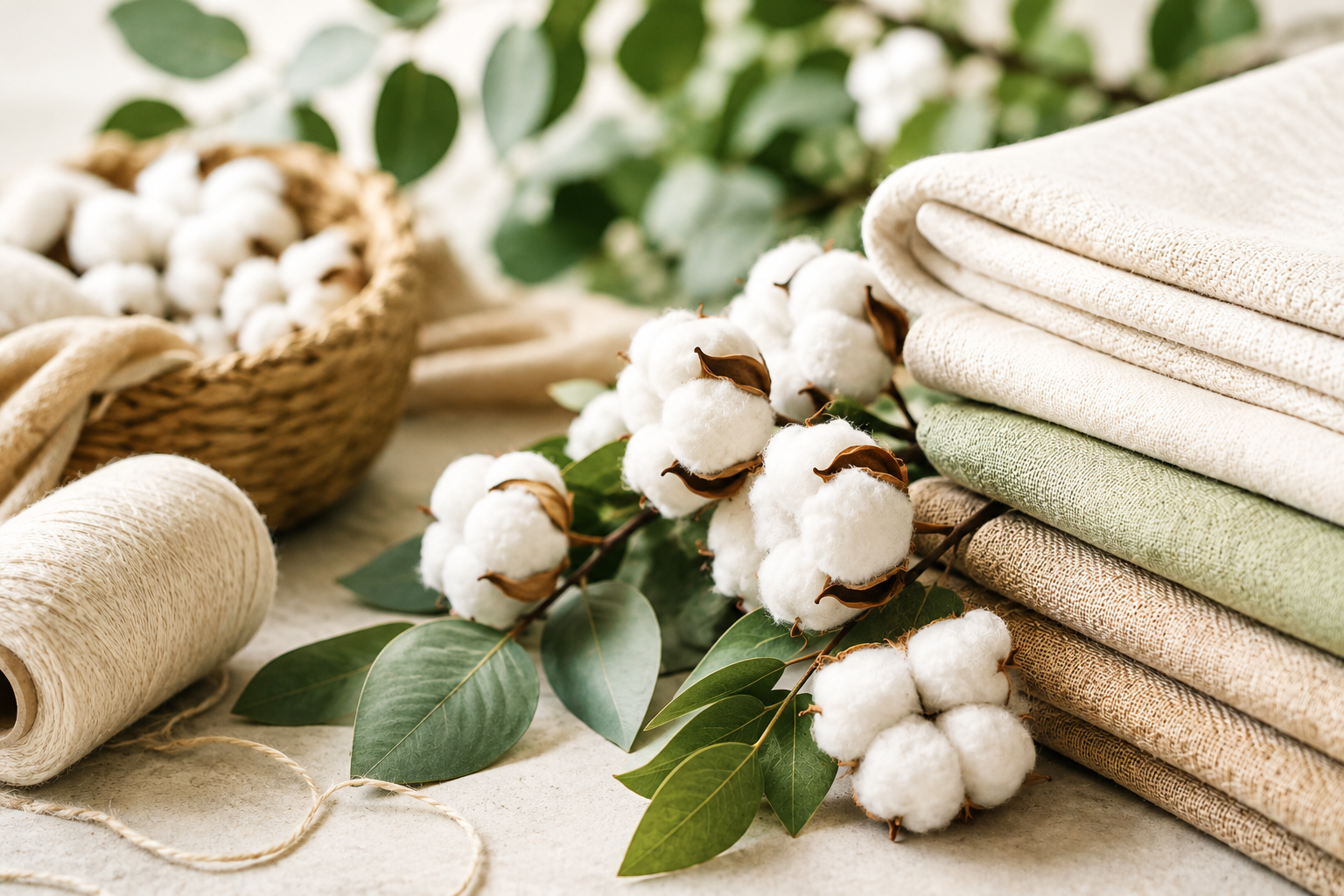
A transaction certificate is the document a GOTS-certified supplier issues for every shipment, proving the organic fiber in your order traces back to a certified farm through each processing step. Without this certificate, you cannot legally claim GOTS certification on your hangtag or marketing copy, even if the fiber itself started out organic. Reputable organic cotton manufacturers keep these certificates on file for every batch and share them without hesitation.
Request the transaction certificate before production begins, not after the shipment arrives. Manufacturers who already handle chain-of-custody paperwork for regenerative cotton sourcing usually have the same documentation process in place for standard organic cotton, since both require farm-level traceability. If a supplier cannot produce a transaction certificate on request, treat their organic claim as unverified until they can.
4. Compare Organic Cotton Price Premiums Before You Budget
Organic cotton typically costs 20 to 30% more per yard than conventional cotton, and that premium can widen to 40% once certified dyeing and finishing are added on top of the raw fiber cost. Lower per-acre yields, certification audit fees, and a smaller pool of certified processors feed into the higher price, a cost pressure the American Apparel & Footwear Association tracks across the domestic apparel supply chain.
Factor this premium into your cost sheet before you approach manufacturers for quotes. Brands that assume organic cotton costs the same as standard cotton often underprice their first collection. Ask each supplier on your shortlist to break out fiber, dyeing, and certification fees separately, so you can compare premiums across suppliers instead of one blended number.
5. Request Fabric Samples and Test for Shrinkage
Organic cotton fabric can shrink more than conventional cotton because it is processed with fewer synthetic finishing chemicals, so requesting a pre-wash sample is the most reliable way to confirm your pattern will hold its size. Skipping this step with new organic cotton manufacturers is one of the most common reasons a first run comes back fitting smaller than the tech pack specified.
Wash your sample three times under the care instructions you plan to print on the garment, then measure it against the original pattern each time. Ask the organic cotton manufacturer to provide a written shrinkage percentage for the specific fabric weight and knit or weave structure you are ordering, since shrinkage varies between a jersey knit and a woven canvas even within the same organic cotton certification.
6. Evaluate Sampling and Bulk Lead Times Separately
Sampling lead time and bulk production lead time run on different schedules for organic cotton manufacturers, typically 2 to 3 weeks for a sample and 6 to 10 weeks for a full production run once the fabric is dyed and certified. Certified dye houses batch their runs less frequently than conventional dye houses, which can add 1 to 2 weeks to bulk lead time compared to a non-certified equivalent.
Ask for both numbers up front, and ask specifically whether your order will join a shared certified dye lot or require its own run. A shared dye lot is faster and cheaper but ties your production schedule to other brands’ orders, while a dedicated run with your own organic cotton manufacturer costs more but gives you control over the timeline.
7. Confirm GOTS-Certified Dyeing and Finishing, Not Just Fiber
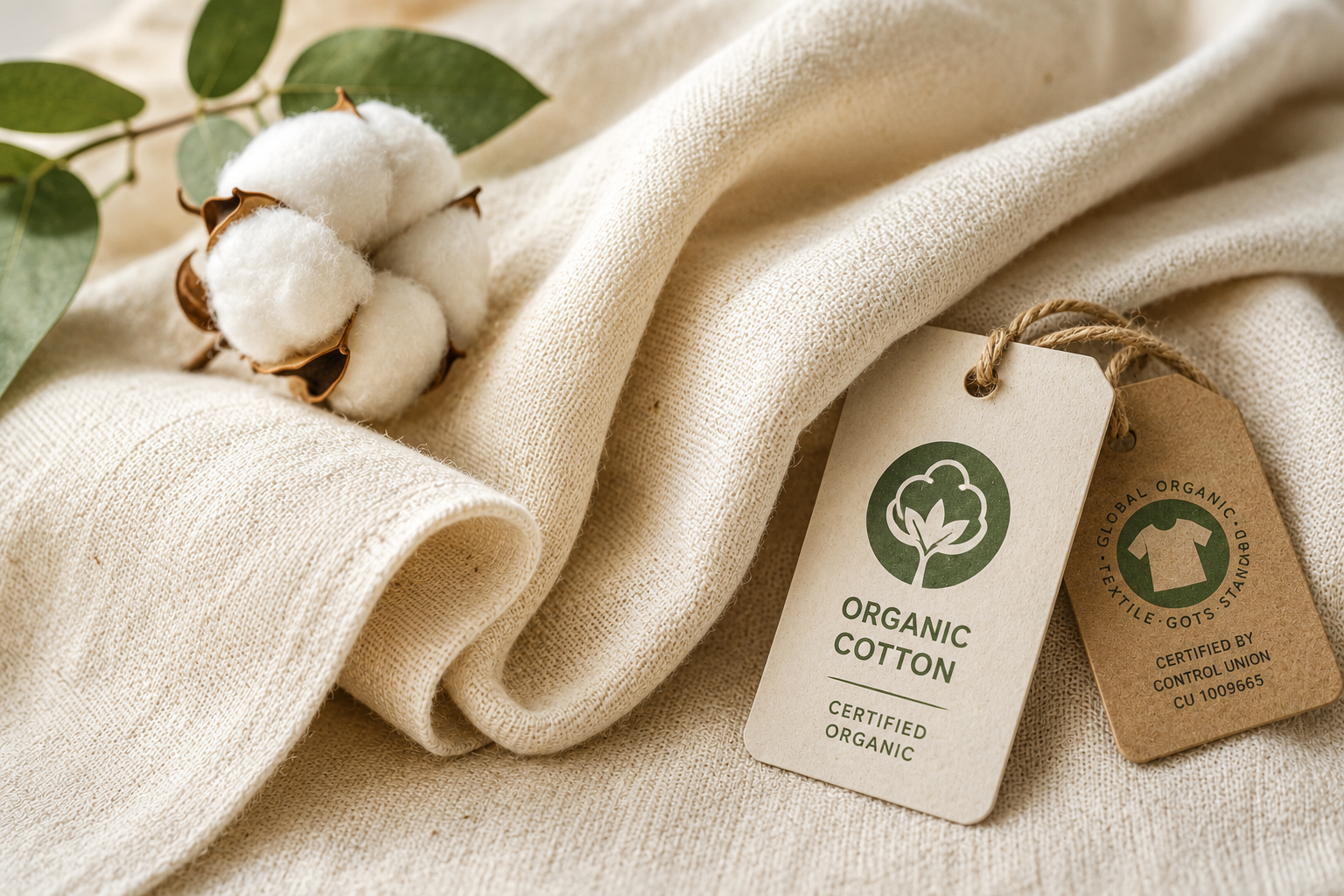
A manufacturer can use certified organic fiber and still lose the GOTS claim at the dyeing stage if the dye house itself is not certified, so confirming certification at every processing step matters as much as confirming it at the farm level. The Sustainable Apparel Coalition has documented that fragmented certification across a supply chain, where fiber is certified but processing is not, remains one of the most common gaps brands discover after production has already started.
Ask for the certificate list covering ginning, spinning, knitting or weaving, and dyeing, not a single farm-level certificate alone. If any stage in that chain is uncertified, your finished garment cannot legally carry the GOTS label, regardless of how the raw fiber was grown. This full-chain check separates organic cotton manufacturers who can back up their claim from ones who cannot.
How Maker’s Row Helps You Find Verified Organic Cotton Manufacturers
Several of the checks above, certification status, transaction certificates, and dye house documentation, are hard to verify from a website alone. On Maker’s Row, brand owners post unlimited manufacturing projects for free and receive bids from verified US factories at no upfront cost. Specify your organic cotton certification requirement, GOTS, OCS, or both, in your project brief, and manufacturers who can produce the paperwork respond directly. To connect directly, subscription plans give full access.
FAQs About Organic Cotton Manufacturers
Organic cotton refers to fiber grown without synthetic pesticides or fertilizers, while GOTS is a certification that verifies organic status across the entire supply chain, including dyeing and labor practices. Fiber can be organic without the finished garment being GOTS-certified if a later processing step is not certified.
Organic cotton typically costs 20 to 30% more per yard than conventional cotton at the raw fiber level. That premium can reach 40% once certified dyeing and finishing are factored in, though brands often recover the difference through higher retail pricing on verified sustainable products.
Most of these factories set minimums between 150 and 300 units, higher than the 50 to 100 unit minimums common for conventional cotton runs. The exact number depends on whether your order can share a certified dye lot with other brands.
Yes, primarily because organic cotton manufacturers deal with lower per-acre fiber yields, certification audit costs, and a smaller network of certified processors. Brands typically offset this cost through premium retail pricing supported by verifiable certification.
Ask for the certificate number and check it against the public GOTS or Textile Exchange database rather than relying on a website claim. A legitimate manufacturer will also provide a transaction certificate for each shipment showing chain of custody back to a certified farm.
Yes, though options narrow below 150 units. Some organic cotton manufacturers offer shared certified dye lots that let smaller brands access certified fiber without meeting a full dedicated production minimum, so it is worth asking directly rather than assuming the door is closed.
Start Applying These Tips Today
Your organic cotton brand is one manufacturer away from becoming real. Verified organic cotton manufacturers are on Maker’s Row, ready to bid.