You have been scrolling supplier lookbooks for weeks. Clean silhouettes, beautiful drape, no logos in sight. The fabrics feel different on your screen. The colorways are restrained. Everything looks expensive and somehow familiar at once. Then someone on a trade show floor mentions it: quiet luxury. If you are building a clothing brand and you have heard this term without a clear definition, this guide is for you. It explains exactly what the phrase means, why it matters for how you source and position your brand, and how to work with US manufacturers who can execute it.
What Is Quiet Luxury?
Quiet luxury is a design and positioning philosophy built on understated elegance, premium materials, and timeless silhouettes, without visible logos, trend-driven details, or conspicuous branding. For clothing brands, this means your product communicates quality through fabric weight, construction, and fit rather than through markings a customer has to recognise to appreciate.
The concept has roots in how genuinely wealthy consumers have always dressed. Think old-money wardrobes built on cashmere, fine wool, and impeccable tailoring rather than seasonal runway pieces. Quiet luxury gained mainstream cultural momentum in the early 2020s, accelerated by shows like Succession, and shifted from a niche positioning into a recognised aesthetic category with real commercial weight.
According to Grand View Research, the global luxury goods market reached $390 billion in 2024 and is projected to grow at a 6.8% CAGR through 2030. Within that, Technavio identifies this aesthetic shift as a primary driver in the luxury apparel segment, noting that discerning consumers increasingly favour artisanal craftsmanship and exceptional materials over conspicuous logos.
For an emerging brand owner, this is not an observation about what wealthy people wear. Quiet luxury is a manufacturing brief. The aesthetic tells you exactly what to prioritise when sourcing, sampling, and briefing a factory.
Why This Aesthetic Matters for Brand Owners
The quiet luxury approach matters because it changes what you have to get right during production.
When your brand depends on a recognisable logo, the product itself can be simpler. The logo is the signal. When you build within this aesthetic, the product is the only signal. Every seam, every hem finish, every fabric choice either reinforces or undermines the positioning. There is nowhere to hide.
This has direct manufacturing implications:
- Fabric selection becomes a non-negotiable priority. Polyester blends will not cut it. The look depends on natural fibres: wool, cashmere, silk, linen, and cotton with meaningful weight and hand feel.
- Construction quality must be consistent. Uneven topstitching or a misaligned seam destroys the positioning more visibly than it would in a logo-heavy product.
- MOQ conversations change. Premium natural fabrics frequently require higher minimum fabric orders. Building this into your production budget before you approach a factory saves significant rework.
- Colour palette is a sourcing decision. Muted tones, earthy neutrals, and monochromatic ranges are staples. If a factory’s dyeing capability is limited, that shapes your palette options.
Understanding the aesthetic at source level means better conversations with manufacturers and fewer rounds of sampling.
Quiet Luxury in Practice: Real Examples
Example: A Knitwear Startup in Los Angeles A Los Angeles-based brand owner launching a women’s knitwear line built her first collection entirely around this philosophy. She specified 100% merino wool for a cardigan, requested a relaxed but structured silhouette, and chose four colourways: cream, stone, camel, and slate. Her samples required three rounds of refinement to get the gauge and drape right. The final run of 200 units sold through at $195 per piece to an audience who had never heard the brand but responded to how the product felt and photographed.
Example: A Menswear Brand in New York A Brooklyn-based menswear founder sourced a wool-linen blend trouser through Maker’s Row. He briefed manufacturers on a clean, unpleated silhouette with a mid-weight fabric that held its shape. The manufacturer he selected specialised in tailored trousers and had a minimum order of 50 units per style. The product retailed at $280. No branding beyond a woven label inside the waistband. The product sold on the strength of how it looked in flat-lay photography, not on recognisable markings.
Example: A Womenswear Line in Chicago A Chicago founder building a premium womenswear line found that positioning her brand around fabric provenance, specifying traceable fibres documented by Textile Exchange standards, gave her customer something to talk about in the absence of a logo. The story of where the fabric came from became the brand story.
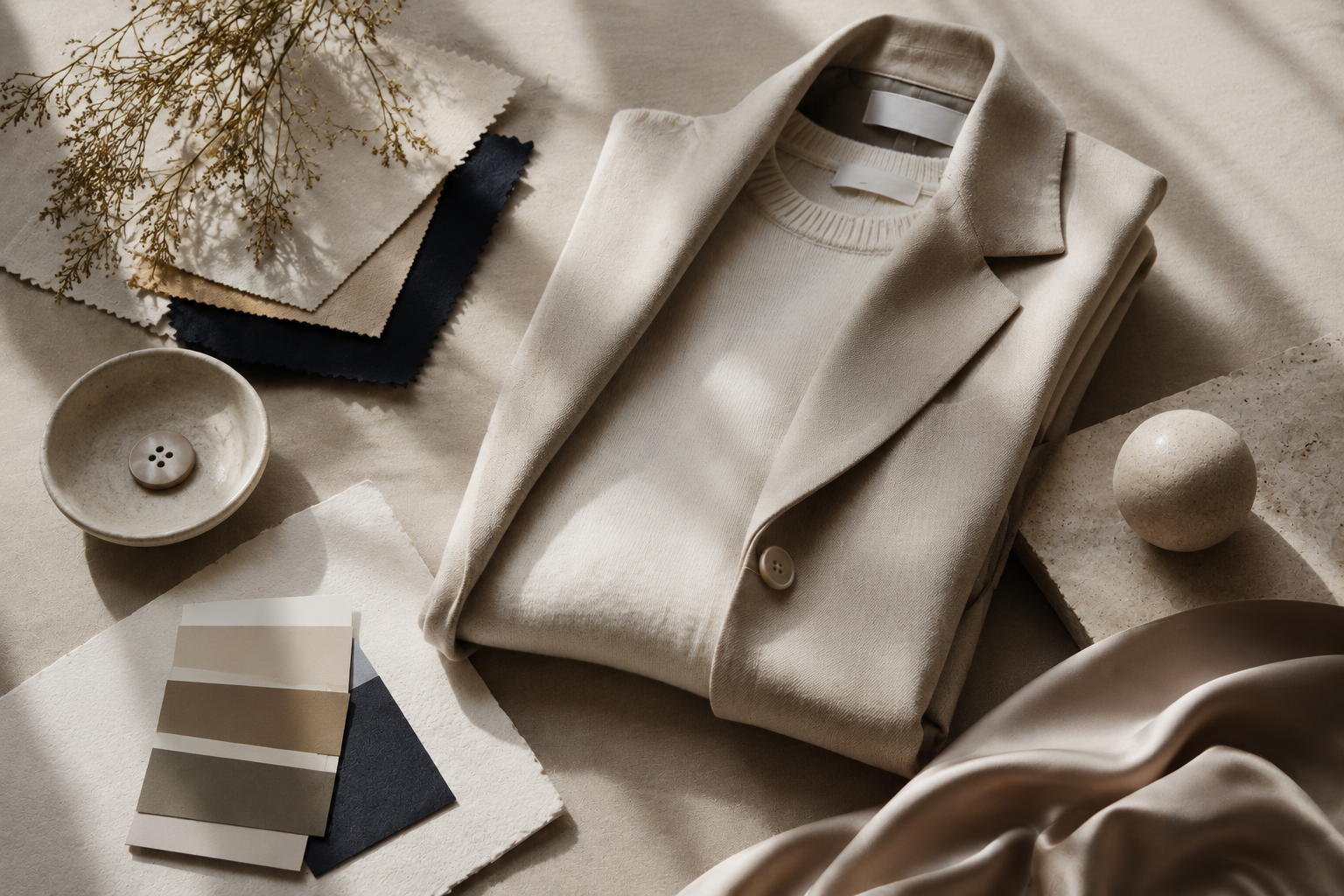
How to Apply Quiet Luxury When Building Your Brand
Applying this philosophy is a discipline, not a mood board. These steps make it concrete.
Step 1: Define your material standard before you contact any manufacturer. Write down the fibre content, minimum fabric weight, and acceptable construction methods for your hero product before your first factory conversation. For a quiet luxury brief, that typically means natural or blended natural fibres, a meaningful fabric weight, and a finish that holds up to close inspection. This single step will shorten your sampling cycle.
Step 2: Audit your colour palette for coherence. Restrained palettes are deliberate. Choose three to five colourways that work as a system, not seasonally reactive colours, but foundational tones your customer can build a wardrobe around. Bring this to your manufacturer as part of the sampling brief. Factories that work with dye houses regularly will tell you which tones are achievable within your budget.
Step 3: Remove all non-essential details from your tech pack. Logos, decorative hardware, trend-driven silhouette details: cut them unless they serve a functional purpose. Restrained construction means every detail in your tech pack costs money and time in sampling. A cleaner garment is also a more versatile one.
Step 4: Find a manufacturer who works in your fabric category. This is where most emerging brand owners lose time. A factory that specialises in activewear construction is not the right partner for a woven wool trouser. Browse US clothing manufacturers who have experience with the specific fabric category and construction type your product requires before reaching out.
Also Read: How to Find a Clothing Manufacturer in the USA →
Step 5: Test the product before you tell the story. Order samples from at least two manufacturers. Evaluate seam finish, fabric hand, and silhouette fidelity before you choose. A brand built on understated quality can only make this promise if the product consistently delivers it. The sample phase is when that consistency is validated.
According to the SBA, early-stage product businesses that invest in thorough sampling reduce costly production defects significantly. For a positioning built entirely on product quality, that investment is not optional.
Quiet Luxury on Maker’s Row
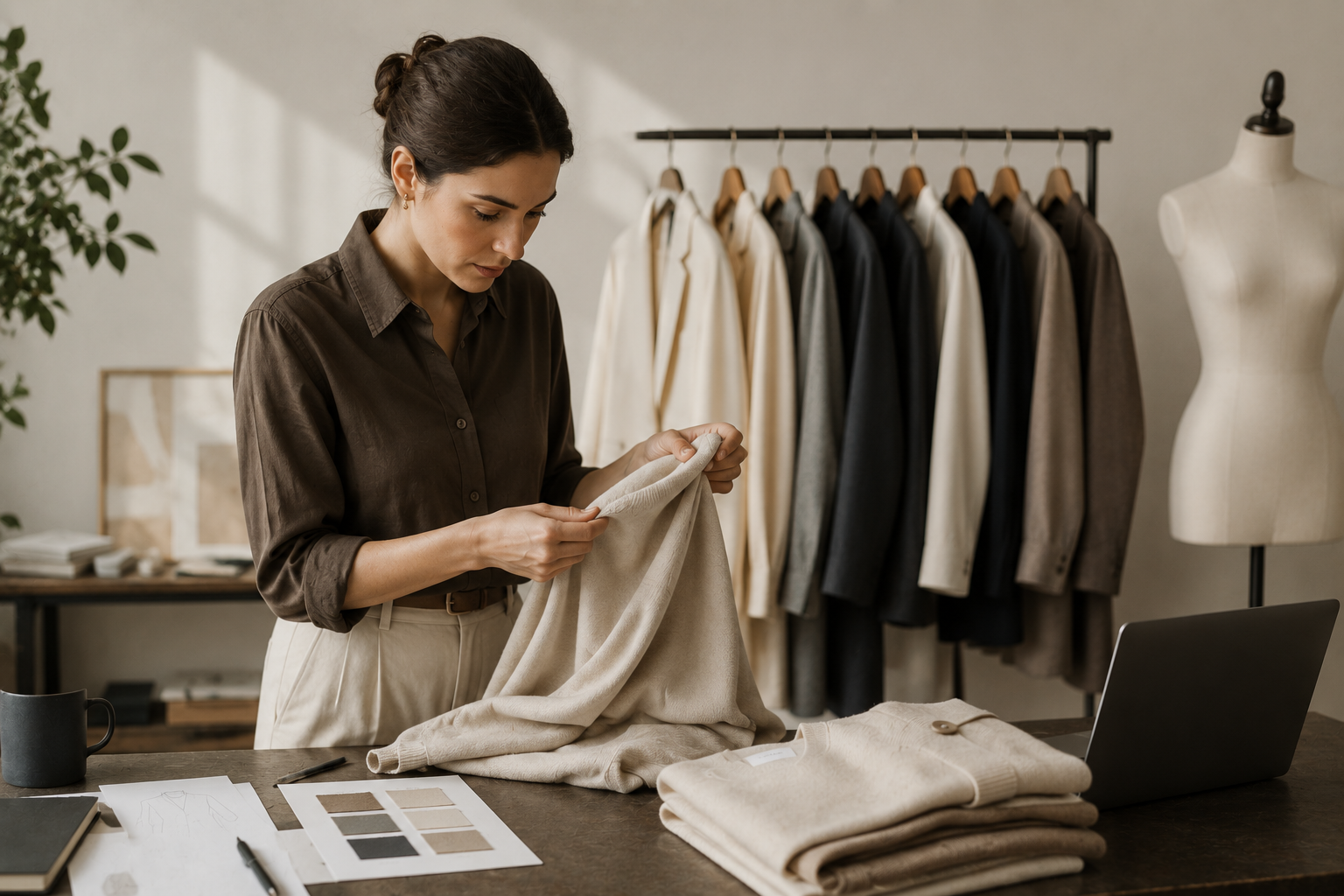
Finding the right manufacturer for premium, understated clothing does not have to mean months of cold emails. On Maker’s Row, post your clothing project for free and verified US manufacturers bid directly. Review bids, check profiles, connect when ready.
When you post your project, describe your fabric requirements, construction standards, and target unit cost clearly. Manufacturers who work in premium natural fibres, tailored construction, and small-batch production respond to briefs that match their capabilities. Many factory partners reply within 24 to 48 hours of a new project being posted.
FAQs About Quiet Luxury
Quiet luxury in fashion is a design philosophy that prioritises premium materials, restrained silhouettes, and impeccable construction over visible logos or trend-reactive details. It communicates quality through the product itself rather than through branding.
No. This is a positioning strategy as much as a price point. Emerging brands can build within this aesthetic by being deliberate about fabric quality, palette, and construction from the first production run, even at modest quantities. The approach scales with your brand.
Garments in this category typically use natural or naturally blended fibres. Merino wool, cashmere, fine cotton, silk, linen, and wool-linen blends are common. The key is fabric weight and hand feel. For brands interested in how material choices connect to sustainability commitments, the Sustainable Apparel Coalition offers guidance on responsible sourcing frameworks used across the premium apparel industry.
Minimalism is a visual style defined by simplicity and reduction. This aesthetic includes minimalism but adds a material quality standard. A cheap garment can be visually minimal. The quiet luxury version is minimal and premium. The difference is in what the fabric feels like and how the garment holds its shape over time.
Yes, and many are doing it. The customer who values this aesthetic prioritises product over brand heritage, which gives emerging labels a genuine competitive path. The barrier is commitment to quiet luxury quality across your first collection, not scale. Understanding apparel manufacturing costs in the USA will help you plan a budget that supports premium material sourcing without overextending.
The terms overlap but are distinct. Stealth wealth describes a behaviour, spending significantly on items that are not obviously expensive to outside observers. Quiet luxury is the aesthetic associated with that behaviour. You can build in this style without spending stealth wealth sums, especially if you source and manufacture well.
Describe the fabric category and minimum fibre standard first. Then define the silhouette, expected construction methods, and acceptable finishes. Remove branding requirements from the spec. Use reference garments to anchor the quality conversation. For a detailed look at how to structure these conversations, explore how domestic and international manufacturers differ in how they handle premium fabric categories.
Ready to Put Quiet Luxury Into Practice?
Your brand is one manufacturer away from becoming real. The factories are on Maker’s Row, ready to bid.