You are sourcing fabric for your first collection and a supplier mentions they have deadstock available at a significant discount. It sounds appealing, but before you commit to a roll of material you cannot see in person, you need to understand exactly what deadstock fabric is, where it comes from, and whether it is right for your brand.
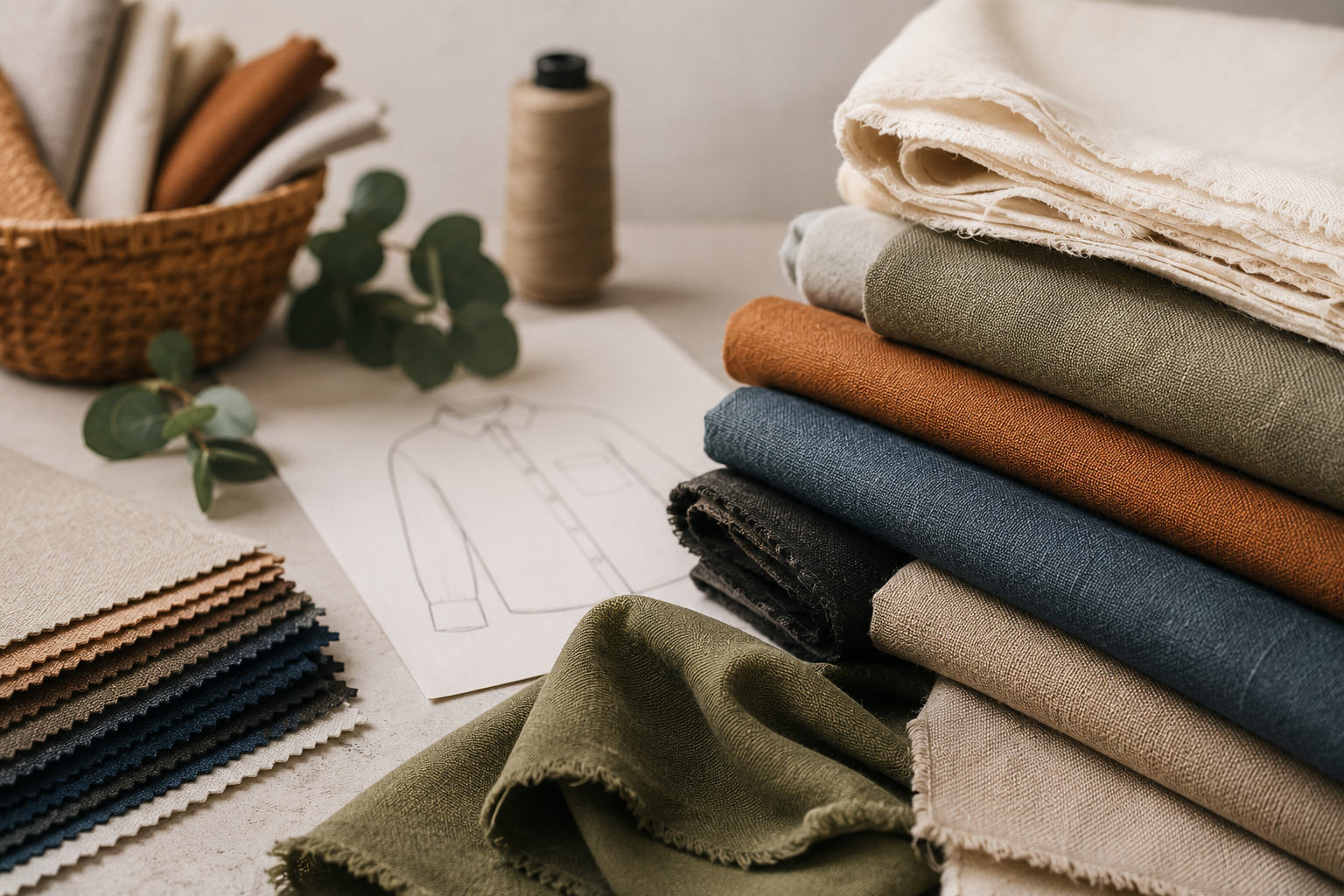
Deadstock fabric is surplus textile material left over from production runs that was never used in its intended garment. For clothing brands, this means access to mill-quality material, often from major fashion houses, at prices well below standard wholesale.
This guide covers what deadstock fabric actually is, why it matters for production decisions, how to source it in the USA, and how to evaluate whether it fits your brand’s needs.
What Is Deadstock Fabric? (Definition)
Deadstock fabric is unused textile material that remains after a production run ends, whether from a cancelled order, an overproduced mill lot, a luxury brand’s excess inventory, or fabric that was rejected for minor quality issues and never reached the cutting room floor. For clothing brands, this means the material is typically new, uncut, and in original condition, but available in limited quantities.
The term covers several types of surplus textile:
Type | Source | Typical Condition |
Mill overrun | Textile mills ordered more than needed | New, unused |
Cancelled order fabric | Factory orders cancelled mid-production | New, sometimes branded |
Designer surplus | Luxury brands’ excess season stock | High quality, limited yardage |
Fabric rejections | Lots declined for minor non-structural flaws | New, minor cosmetic variations |
Sample room leftovers | Remaining cuts after pre-production | New, very small quantities |
According to a 2024 peer-reviewed study published in MDPI’s Engineering Proceedings, approximately 15% of each textile production run is wasted, with pre-consumer overproduction accounting for 10 to 20% of total textile waste. Surplus like this represents recoverable material that brands can source before it is discarded.
The key distinction from recycled or reclaimed fabric: deadstock fabric has never been used, dyed from a garment, or processed into a finished product. It is first-generation material that simply did not reach its original intended use.
Why Deadstock Fabric Matters for Brand Owners
Understanding what deadstock fabric is changes three practical brand decisions.
Cost per yard. Surplus mill and designer lots often sell at 30 to 60% below the price of the same material ordered new. For a brand launching a first collection on a limited budget, that margin difference can determine whether you hit your landed cost target.
Material quality access. A small brand cannot typically negotiate access to the same fabric mills that supply major fashion houses. Sourcing deadstock fabric channels that access. A Los Angeles streetwear brand working with Japanese selvedge denim surplus is using mill-quality material it could not purchase at a comparable yardage on a new order.
Sustainability positioning. Deadstock sourcing allows brands to make a credible sustainability claim without the premium of certified organic or regenerated fiber. The Sustainable Apparel Coalition recognises pre-consumer waste reduction as a meaningful impact metric for brands. Using existing material instead of commissioning new fabric eliminates the energy, water, and processing required for virgin textile production.
Limited run by design. Because the supply is finite, it creates genuine scarcity. “Made from deadstock fabric” combined with a limited quantity signals exclusivity, not just sustainability. That framing converts well with conscious consumers who understand what the term means.
Deadstock Fabric in Practice: Real Examples
Example: Small-Batch Knitwear, Brooklyn
A Brooklyn-based knitwear brand sourced 200 yards of Italian wool surplus from a mill dealer. The material had originally been destined for a European fashion house’s cancelled autumn run. At $6 per yard versus $18 new, the brand produced a 60-piece run with a gross margin that funded a second drop without outside capital.
Example: Sustainable Denim, Los Angeles
An LA denim brand built its first three styles entirely from Japanese selvedge deadstock fabric. Because the lots were small, each style ran in quantities of 40 to 80 units. The brand marketed the limited nature as intentional. It sold out two of the three styles in the first week, which funded a larger fourth-style production run with a US cut-and-sew partner.
Example: Activewear Startup, New York
A New York activewear startup sourced recycled nylon surplus from a sportswear manufacturer’s overrun. At 150 yards per lot, it was enough for one style only, but the brand used the launch as a test to confirm demand before placing a full production order.
How to Source Deadstock Fabric in the USA
Sourcing deadstock fabric is not as simple as placing a wholesale order. The supply is fragmented, the quantities are unpredictable, and the best material moves fast. Here is a practical step-by-step approach.
Step 1: Define your fabric requirements before you search.
Know your fiber content, weight range, width, and acceptable quantities before you start. A surplus roll that is 45 inches wide when your pattern needs 58 will not work, regardless of price. Write down your minimum and maximum yardage, your acceptable fiber types, and your quality criteria before searching.
Step 2: Identify the right sourcing channel for your volume.
Different channels serve different brand stages. Independent deadstock dealers hold the widest variety but require in-person inspection or sample orders. Manufacturer direct surplus is harder to find but often the best value. Contact domestic American textile fabric manufacturers directly and ask whether they carry overrun inventory.
Step 3: Verify the fabric before committing.
Always request a swatch or hand sample before ordering any meaningful yardage. Deadstock fabric can have variations in dye lot, width consistency, or finishing that only become apparent when you cut. If you cannot physically inspect the material, order a half-yard sample and test it against your intended construction.
Step 4: Understand the quantity constraint before designing.
Design your patterns and calculate your cut yield against the actual available yardage before committing a full style to a surplus lot. If you have 180 yards and your style requires 2.3 yards per unit, you have a maximum of 78 units. Plan backward from the available quantity, not forward from a sales target.
Step 5: Connect with cut-and-sew manufacturers who work with customer-supplied fabric.
Not every manufacturer will accept material you source yourself. Look for cut-and-sew manufacturers in the USA who explicitly accept CMT (cut, make, trim) work and are comfortable with variable lot sizes. State this requirement clearly in your project brief.
Textile Exchange publishes annual reports on preferred fiber and materials standards that can help you evaluate surplus sources by fiber certification status.
Also Read: Garment Fabric Manufacturers: Top Facts and FAQs →
Deadstock Fabric on Maker’s Row

Finding the right manufacturer for deadstock projects does not have to mean weeks of cold emails. The most important constraint is finding a cut-and-sew partner who accepts customer-supplied material and can work efficiently with variable lot sizes.
Finding the right deadstock manufacturer does not have to mean months of cold emails. On Maker’s Row, brand owners post unlimited manufacturing projects for free and receive bids from verified US factories at no upfront cost. To connect directly, subscription plans give full access. Describe your deadstock sourcing situation, your fabric type, and your per-style quantities in your project brief. Manufacturers who work with customer-supplied fabric and small-run CMT production will respond directly.
Factories on Maker’s Row are active and responsive. Many reply within 24 to 48 hours of a new project being posted.
FAQs About Deadstock Fabric
Deadstock fabric is not the same as recycled fabric. Deadstock is unused, first-generation textile that was never incorporated into a finished garment. Recycled fabric is material that has been processed from post-consumer or post-industrial waste and remanufactured into a new fiber or textile. Surplus deadstock requires no reprocessing because it was never used.
Yes, sourcing deadstock fabric reduces pre-consumer textile waste by diverting material that would otherwise be discarded, incinerated, or sit indefinitely in warehouse storage. The Sustainable Apparel Coalition’s Higg Index recognises pre-consumer waste diversion as a measurable environmental benefit. It is not a perfect sustainability solution, since surplus fabric only exists because of overproduction, but it is a genuinely lower-impact sourcing choice compared to ordering new virgin material.
Wholesale deadstock fabric is available through independent fabric dealers in the LA Fashion District and New York’s Garment District, through online surplus textile marketplaces, and directly from domestic textile fabric manufacturers that carry overrun inventory. The best wholesale prices typically come from direct mill surplus rather than retail resellers.
The main limitations are quantity constraints, inconsistency between lots, and limited reorder availability. If your first run sells well, you cannot reorder the same lot because it is finite. Design your collections with that constraint in mind: use surplus material for limited drops, capsule collections, or styles where scarcity is a brand asset rather than a supply problem.
Always request a swatch before committing to a lot. Test for hand feel, weight consistency, dye evenness, and shrinkage. Ask the supplier for fiber content documentation and the original mill source if possible. High-quality deadstock from reputable mills typically comes with provenance documentation or at minimum a clear description of its original intended use. Fabric sourced directly from established manufacturers tends to have more reliable documentation than second-hand lot dealers.
Yes, and it is often particularly well-suited to small brands. The limited yardage aligns with small-batch production quantities, and the lower cost per yard helps new brands hit margin targets without high minimum order requirements. The key is finding a cut-and-sew manufacturer in the USA who accepts customer-supplied material and can work with your available yardage.
Using surplus textile sourced from overseas mills does not automatically qualify a garment for FTC “Made in USA” designation. The FTC requires that all or virtually all of a product be made in the USA for an unqualified claim. If your fabric is sourced overseas but cutting and sewing are done in the USA, you may qualify for a qualified claim such as “Sewn in the USA from imported fabric.” Review FTC guidelines on Made in USA labeling before making any origin claims.
Also Read: How to Find a Clothing Manufacturer in the USA →
Ready to Put Deadstock Fabric Into Practice?
Your brand story is one manufacturer away from becoming real. The cut-and-sew factories ready to work with your material are on Maker’s Row, waiting to bid on your project.