Patagonia clothing is one of the most researched supply chains in outdoor apparel, and for good reason. The Ventura, California company built its reputation on transparency, publishing factory lists and sourcing data that most retailers keep private. That openness means brand owners can actually study how Patagonia clothing gets made, rather than guessing. This guide breaks down where Patagonia manufactures, what materials it uses, which certifications back those claims, and what any of it means if you are building your own clothing brand, including how it compares to sustainable clothing manufacturers based in the USA.
How Is Patagonia Clothing Made?
Patagonia’s clothing is produced across a global network of independently owned factories, not company-owned plants, with the vast majority of production located in Asia. According to Patagonia’s own supply chain disclosures, the company works with 50 finished goods factories across 11 countries, supported by material suppliers in 22 additional countries. Only one of those finished goods factories is US-based. The rest are concentrated in countries including Vietnam, China, Thailand, Sri Lanka, and Indonesia, where Patagonia has built long-term relationships with the same factory partners rather than switching suppliers to chase lower costs.
This model is common among established outdoor and apparel brands with global retail footprints. It differs sharply from the domestic manufacturing model many new, small-batch brands use, where a single US factory handles most or all production. Brand owners researching Patagonia clothing for that reason are often really asking a sourcing question, not a shopping one.
Where Patagonia Manufactures: Factories and Countries
Production is spread across Asia, with smaller volumes made in Central America and Europe. Patagonia (patagonia.com) publishes an interactive factory map and supplier list as part of its footprint disclosures, and that list is the primary source for the geographic breakdown below.
Category | Location | Certification Focus | Detail |
Finished goods factories | 11 countries, concentrated in Vietnam, China, Thailand, Sri Lanka, Indonesia | Fair Trade Certified, Fair Labor Association | 50 factories total (Source: Patagonia) |
US-based finished goods factory | Mount Airy, North Carolina | N/A | Nester Hosiery, one of Patagonia’s only domestic finished goods partners (Source: All American Made, verified May 2026) |
Material suppliers | 22 countries | GOTS, Responsible Wool Standard, Responsible Down Standard | Includes farms, spinners, and mills (Source: Patagonia) |
US-based textile mills | Domestic | N/A | Patagonia partners with a small number of US textile mills for specific fabrics (Source: All American Made, verified May 2026) |
MOQ (minimum order quantity) is the smallest number of units a factory will produce per order. Patagonia clothing is produced at a scale most new brands never reach, which is part of why direct comparisons to a startup’s sourcing options can be misleading.
What Materials Does Patagonia Use?
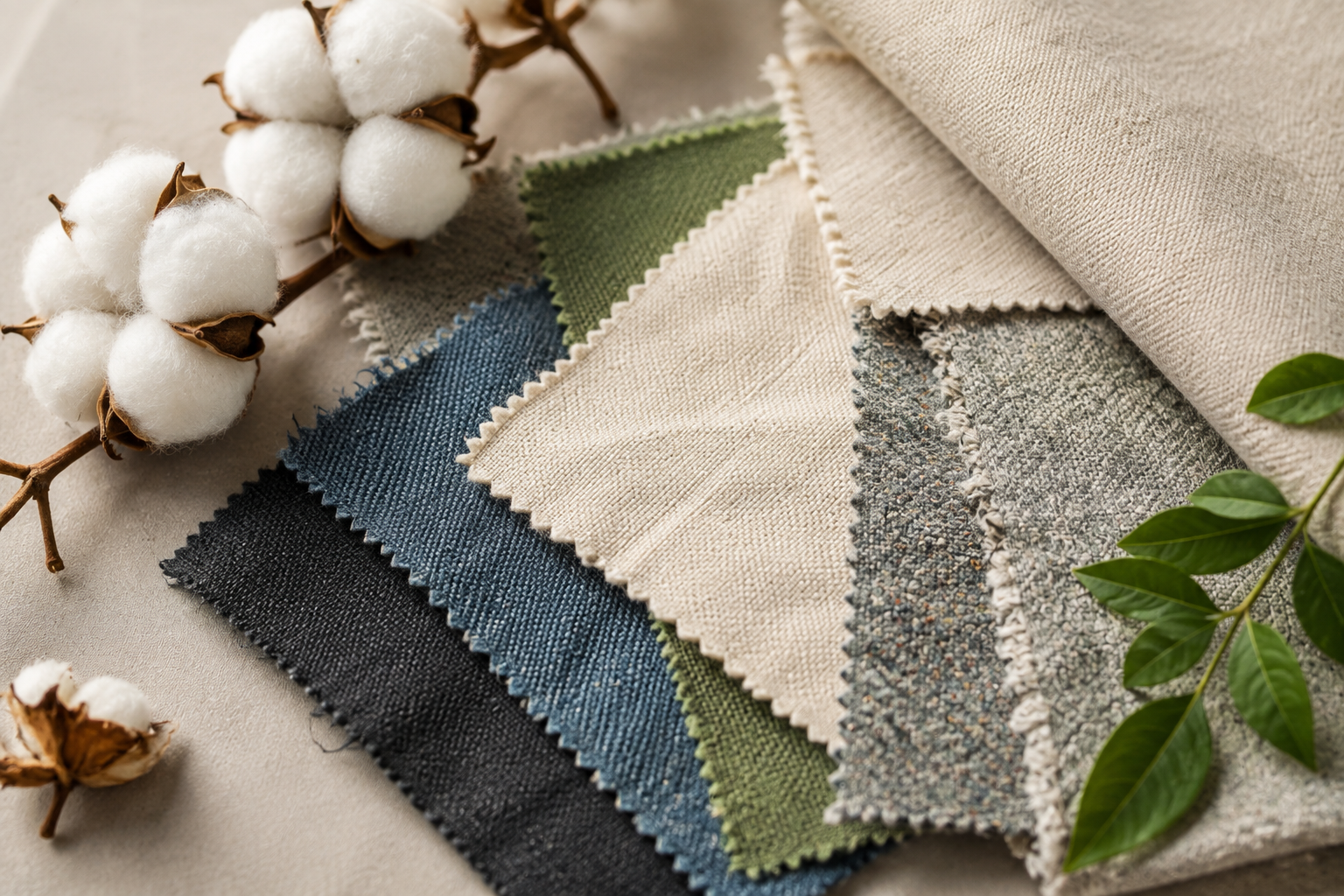
Patagonia’s clothing leans heavily on organic and recycled inputs rather than conventional synthetics. Organic cotton, grown without most synthetic pesticides and fertilizers, appears across its cotton apparel, and Patagonia sources it in line with standards set by Textile Exchange, the nonprofit that maintains the Organic Cotton Standard used across the apparel industry. Recycled polyester, much of it derived from plastic bottles and factory scrap, is used widely in shells, fleece, and insulation.
Down insulation is sourced under the Responsible Down Standard, which requires traceability back to the parent farm, and Patagonia states that 100% of its virgin down is traceable to that level. Wool follows the Responsible Wool Standard. Wetsuits use Yulex, a natural rubber alternative to petroleum-based neoprene. Across its Fall 2025 line, preferred materials, meaning recycled or lower-impact inputs, made up 86% of the collection by weight and appeared in 99% of products, according to Patagonia’s own environmental footprint reporting.
What Certifications Back Patagonia’s Manufacturing Claims?
Patagonia’s sustainability claims are backed by third-party audits rather than self-reporting alone. Fair Trade Certified™ status applies to more than 90% of Patagonia clothing sold today, meaning factories meet standards covering wages, working conditions, and a community development premium paid on top of the cost of goods. Patagonia states that more than 85,000 workers benefit from this program.
Patagonia is also a founding member of the Fair Labor Association, an independent body that conducts unannounced factory audits and publishes results publicly. Separately, Patagonia uses the Higg Index, a supply chain measurement tool maintained by the Sustainable Apparel Coalition, to score factory environmental performance on water use, energy use, and emissions. Some of its dye and chemical processes are also certified through bluesign, a standard focused on eliminating harmful chemical inputs before they enter the supply chain. Certification only tells part of the story, so brand owners researching their own factories should also understand how a factory qualifies as genuinely eco-friendly before assuming a label guarantees a specific practice.
Is Any Patagonia Clothing Made in the USA?
Very little of Patagonia’s clothing is made domestically, with US production limited to a small number of specialty partners rather than a full manufacturing base. Nester Hosiery, based in Mount Airy, North Carolina, produces socks for Patagonia and represents close to all of the brand’s domestic finished-goods output. Patagonia also works with a handful of US textile mills for specific fabric runs, but the company has been transparent that the large majority of its apparel, well over half, is cut and sewn in Asia.
This is worth naming directly because it runs counter to a common assumption. A brand can be genuinely committed to ethical and environmental standards, as Patagonia’s audit record shows, while still manufacturing almost entirely overseas. The two are separate questions: where a factory is located, and how well that factory is monitored.
What This Means If You’re Building Your Own Clothing Brand
If you are sourcing for a new or small clothing brand, Patagonia’s supply chain is not a practical template to copy directly. Fifty factories across 11 countries reflects decades of relationship-building and order volumes that most new brands will not reach for years, if ever. What is transferable is the discipline behind it: picking factories with real certifications, verifying claims instead of taking them at face value, and building a small number of long-term supplier relationships instead of constantly switching for marginal savings.
For brand owners who specifically want a domestic supply chain from the start, rather than the mostly-overseas model behind most Patagonia clothing, working with verified US manufacturers directly is the more realistic path. Maker’s Row is a marketplace connecting apparel brand owners with verified US manufacturers, and posting a project lets manufacturers who work with your product type and order volume respond directly, without months of the cold outreach that sourcing usually requires.
FAQs About How Patagonia Clothing Is Made
Patagonia manufactures its clothing across 50 finished goods factories in 11 countries, with the largest share of production located in Vietnam, China, and other parts of Asia. Only one of those factories, Nester Hosiery in North Carolina, is based in the USA. Material suppliers span 22 countries. Patagonia publishes this factory list directly on its website.
No, not for the vast majority of its products. Patagonia’s domestic manufacturing is limited to a small number of partners, including Nester Hosiery for socks and a handful of US textile mills for specific fabrics. Most apparel is cut and sewn overseas, primarily in Asia.
Patagonia primarily uses organic cotton, recycled polyester, Responsible Down Standard down, Responsible Wool Standard wool, and Yulex natural rubber for wetsuits. Preferred, lower-impact materials made up 86% of its Fall 2025 line by weight. Each material category is tied to a named industry standard rather than an unverified claim.
Patagonia’s manufacturing is independently audited through the Fair Labor Association and the Fair Trade Certified program, which together cover the majority of its factory network. More than 90% of its products come from Fair Trade Certified factories. Independent audits do not guarantee zero issues, but they provide public accountability that self-reported claims do not.
Yes, recycled polyester and other recycled inputs are used widely across Patagonia’s shells, fleece, and insulation. Preferred materials, including recycled content, appeared in 99% of Patagonia’s Fall 2025 products. Patagonia reports this data as part of its public environmental footprint disclosures.
Patagonia’s manufacturing is backed by Fair Trade Certified, Fair Labor Association membership, bluesign for chemical safety, and the Higg Index from the Sustainable Apparel Coalition for environmental performance. Materials carry additional certifications, including the Responsible Down Standard and Responsible Wool Standard. Each certification is administered by an independent third party, not Patagonia itself.
Ready to Build Your Own Manufacturing Story?
The Patagonia clothing supply chain took decades to build, and it started with a handful of factory relationships, not fifty. If a domestic, verified supply chain matters for your brand, the factories are on Maker’s Row, ready to bid.