You are reviewing a tech pack and the fabric line reads “100% cotton poplin, 120 GSM.” If you have not worked with this material before, that single line raises more questions than it answers. This guide explains exactly what this fabric is, how it behaves in production, and how to find a US manufacturer who works with it regularly.
Poplin fabric is a tightly woven, plain-weave textile, traditionally made from cotton, that produces a fine crosswise rib and a crisp, smooth surface. For clothing brands, this means poplin gives you a fabric that holds a crease well, prints cleanly, and works reliably for shirting, dresses, and lightweight outerwear.
Poplin shows up constantly in tech packs and supplier catalogs, but brand owners often confuse it with broadcloth or oxford cloth. That confusion changes the quote you get back from a factory, because each fabric has a different weight, hand feel, and price point.
This guide covers what poplin fabric is, why it matters for your production decisions, real examples of brands using it, and the exact steps to take before you approach a manufacturer.
What Is Poplin Fabric? (Definition)
Poplin fabric is a plain-weave textile constructed with a fine crosswise rib, created by weaving a thicker weft yarn against a finer, more tightly packed warp yarn. For clothing brands, this construction means the fabric holds its shape, resists stretching out of place, and takes a crisp press that lasts through a full day of wear.
Most poplin sold to US apparel brands runs 100 to 150 GSM (grams per square meter), a measurement that tells you how heavy and opaque the fabric will feel. Lighter poplin, closer to 100 GSM, suits summer shirting. Heavier poplin, closer to 150 GSM, works better for structured dresses and outerwear panels.
Poplin can be made from 100% cotton, a cotton-polyester blend, silk, or a cotton-elastane stretch blend. Each version changes the cost, the hand feel, and which US factories can produce it. If you are still comparing fabric families more broadly, our guide to types of clothing fabric breaks down how poplin fits alongside options like twill, jersey, and canvas.
As of 2026, AAFA data shows cotton remains the most widely used fiber among US apparel brands, which explains why cotton poplin is the version you will see most often in domestic shirting programs. If your product calls for a more breathable natural alternative, our guide to what is linen fabric covers a different weave with its own production tradeoffs.
Type | Typical Weight (GSM) | Best For | Cost Range (per yard) | USA Availability |
100% Cotton Poplin | 100–130 | Shirts, dresses, uniforms | $3–$7 | High |
Cotton-Poly Poplin Blend | 90–120 | Workwear, budget shirting | $2–$5 | High |
Stretch Poplin (cotton-elastane) | 120–150 | Fitted shirts, women’s tops | $4–$8 | Moderate |
Silk Poplin | 60–90 | Luxury shirting, eveningwear | $15–$35 | Low |
Brushed Poplin | 140–170 | Winter shirting, loungewear | $4–$9 | Moderate |
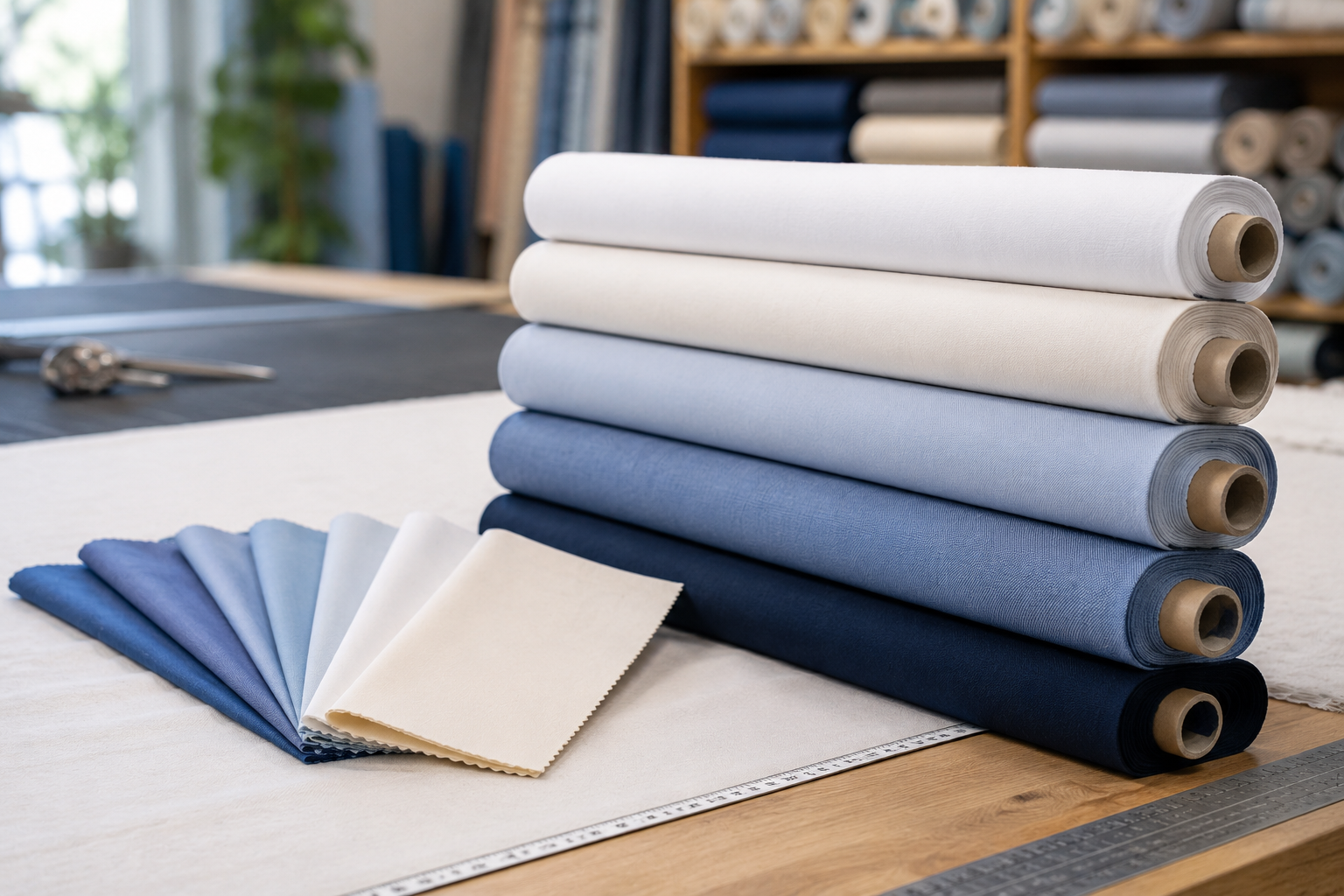
Why Poplin Fabric Matters for Brand Owners
Poplin fabric matters because it shapes your shirt program’s cost, hand feel, and factory options before you write a single line of your tech pack.
- Cost predictability. Cotton poplin runs $3 to $7 per yard at most US mills, a narrower range than many woven alternatives, which makes budgeting easier for a first production run.
- Factory access. Shirting is one of the most common categories among US cut and sew factories, so poplin sourcing rarely limits your manufacturer options the way a specialty fabric would.
- Print and dye performance. The tight plain weave takes screen print, digital print, and piece dye cleanly, giving you more decoration options than a heavily textured fabric allows.
- Season versatility. Mid-weight cotton poplin, around 115 to 130 GSM, works across three seasons, which reduces the number of separate fabric programs a small brand needs to manage.
Poplin Fabric in Practice: Real Examples
Poplin fabric performs differently depending on weight, blend, and finishing, and two brand examples show how that plays out in production.
Example: Resort Shirt Line, Austin
An Austin-based menswear brand launched a resort shirt collection using 115 GSM cotton poplin sourced through a Texas mill. They produced 300 units per colorway at a US cut and sew factory, with a fabric cost of $4.50 per yard. The lightweight poplin held vibrant print colors well and sold through its first run in five weeks.
Example: Fitted Blouse Program, Los Angeles
A Los Angeles womenswear label needed a stretch fabric that still looked crisp for a fitted blouse style. They chose a 130 GSM cotton-elastane poplin blend, ran 150 units in their first colorway, and paid $6.20 per yard. The stretch content solved a fit complaint from their earlier non-stretch woven shirt.
How Do You Source and Work With Poplin Fabric?
Sourcing poplin fabric successfully comes down to specifying weight, fiber content, and finish clearly before you ask a factory for a quote.
- Define your GSM and fiber content first. Write “115 GSM, 100% cotton poplin” rather than just “poplin,” since weight and fiber percentage change both hand feel and cost significantly.
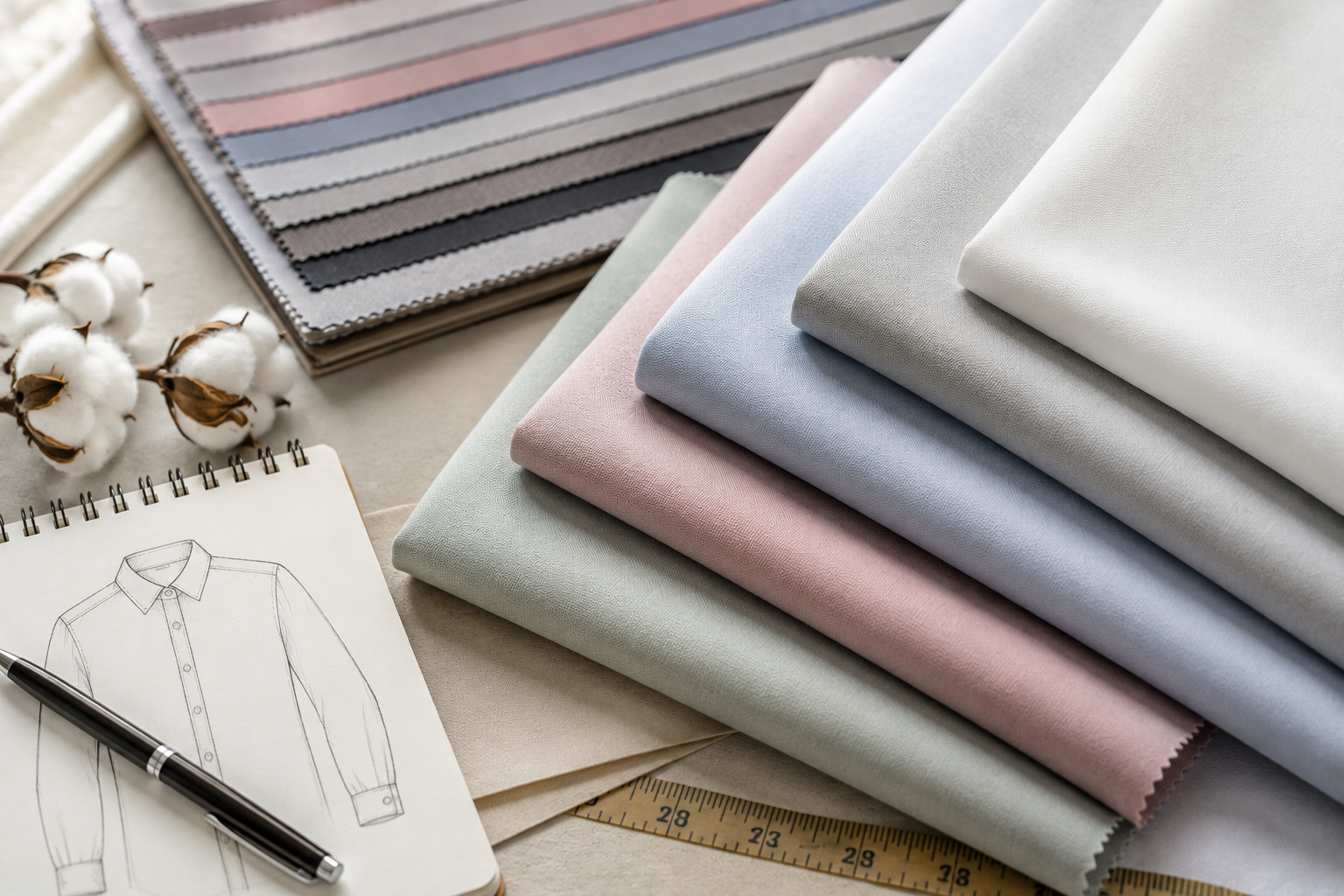
- Request a physical swatch, not a photo. Poplin’s crispness and drape do not translate through a screen, so a factory-supplied swatch prevents sample rejections later.
- Confirm pre-shrink treatment. Untreated cotton poplin can shrink 3 to 5 percent after the first wash, which throws off your size spec if the factory has not pre-shrunk the fabric.
- Decide on stretch or non-stretch early. Adding elastane changes which factories can cut and sew your pattern, so lock this decision in before requesting quotes.
- Match the factory to the fabric category. A factory experienced in cut and sew manufacturers in the USA for wovens will handle poplin’s tight weave and pressed seams more consistently than a knit-focused factory.
The Textile Exchange publishes standards on cotton sourcing and certification, worth reviewing if your poplin program carries a sustainability claim.
Poplin Fabric on Maker’s Row
Maker’s Row is a marketplace connecting apparel brand owners with verified US manufacturers, and it is built for exactly this kind of fabric-specific sourcing question.
On Maker’s Row, state your poplin weight, fiber content, and MOQ in your project brief, and manufacturers who work with that specific fabric respond directly. You are not sending the same generic inquiry to factories that only handle knits or heavy canvas.
If you have not yet identified a manufacturer, our guide on how to find a clothing manufacturer in the USA covers the full vetting process, from first contact through sample approval.
FAQs About Poplin Fabric
This fabric is used most often for shirts, blouses, dresses, and lightweight outerwear. Its crisp hand and clean print performance also make it a common choice for uniforms and workwear that need to hold a pressed look through a full shift.
Yes, it is considered a durable, mid-to-premium shirting fabric when made from long-staple cotton. Quality varies by weight and thread count, so a 130 GSM poplin from a reputable mill will outperform a thin, low-density version at a lower price point.
Cotton is a fiber, while poplin is a weave structure that can be made from cotton or other fibers. Cotton poplin specifically refers to poplin woven from cotton yarn, which is the most common version US brands source.
It is moderately breathable, more so than heavier wovens like canvas but less than an open-weave linen. Cotton poplin performs best in this regard, since natural cotton fibers allow more airflow than a polyester-heavy blend.
Untreated cotton poplin can shrink 3 to 5 percent after its first wash. Requesting a pre-shrunk or sanforized finish from your manufacturer prevents this from affecting your finished garment’s size specification.
Cotton poplin typically costs $3 to $7 per yard from US mills, according to standard shirting fabric ranges tracked across domestic apparel manufacturing. Specialty versions like silk poplin or stretch poplin run higher, from $8 to $35 per yard depending on fiber content.
Yes, poplin is one of the more widely available shirting fabrics among US cut and sew factories. As of 2026, Bureau of Labor Statistics data shows the US apparel and textile manufacturing sector employs over 250,000 workers across more than 11,000 establishments, which supports a broad base of factories experienced in woven shirting production.
Ready to Put Poplin Fabric Into Practice?
Your poplin fabric brand is one manufacturer away from becoming real. The factories are on Maker’s Row, ready to bid.