Linen fabric is one of the world’s oldest and most valued natural textiles, known for its durability, breathability, and timeless appeal. But what is linen fabric, and what is linen made of? Linen is produced from the fibers of the flax plant (Linum usitatissimum), creating a lightweight yet exceptionally strong material that has been used for clothing, home textiles, and luxury products for thousands of years. Its moisture-wicking properties, natural texture, and ability to soften over time make it one of the most sought-after fabrics in the fashion industry.
As consumers increasingly choose sustainable and eco-friendly materials, linen fabric for clothing has become more popular than ever. Fashion brands, designers, and manufacturers value linen for its comfort, versatility, and lower environmental impact compared to many synthetic fabrics. From breathable summer apparel and casual wear to premium home décor and upholstery, linen continues to be a preferred fabric for both consumers and businesses.
In this guide, we’ll explain what linen fabric is, what linen is made of, how it’s produced, its key benefits, common uses, and why it’s becoming a staple in sustainable fashion. You’ll also learn how Maker’s Row helps brands connect with trusted linen and clothing manufacturers in usa to bring high-quality linen products to market.
What Is Linen Fabric?
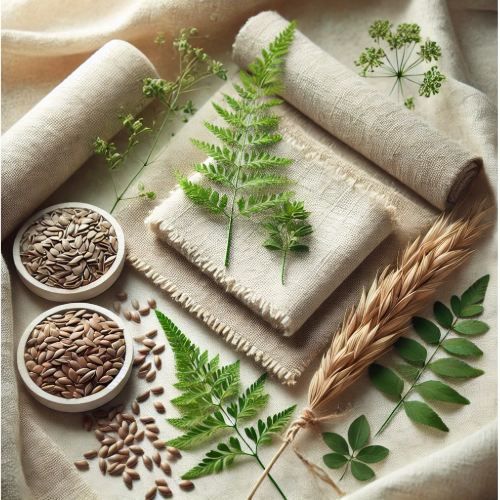
Linen fabric is a natural textile made from the fibers of the flax plant (Linum usitatissimum), one of the oldest cultivated crops in the world. If you’ve ever wondered what is linen fabric or what is linen made of, the answer lies in flax—a renewable plant valued for producing strong, breathable, and lightweight fibers. Linen has been used for thousands of years, dating back to ancient Egypt, where it was prized for its comfort in warm climates and exceptional durability. Beyond its practical benefits, linen has long been associated with craftsmanship, luxury, and sustainable textile production.
Composition and Characteristics
Linen fabric is made from long, smooth flax fibers that give it a distinctive texture and exceptional performance. Compared to many other natural fabrics, linen offers several unique advantages:
Breathability: Linen allows air to circulate freely, making it one of the best fabrics for warm-weather clothing and summer apparel.
Moisture-Wicking: Linen absorbs moisture efficiently while drying quickly, helping keep the wearer cool and comfortable.
Durability: Linen fibers are naturally stronger than cotton, making linen fabric highly durable, long-lasting, and resistant to everyday wear.
Sustainability: As a renewable natural fiber, linen requires fewer resources than many conventional textiles, making it a popular choice for eco-conscious fashion brands.
Historical Significance
The history of linen spans thousands of years and several civilizations. Ancient Egyptians used linen for clothing, ceremonial garments, and burial shrouds, where it symbolized purity and status. Throughout the Middle Ages, linen became a premium textile across Europe, valued for fine clothing, household linens, and luxury craftsmanship. Today, linen fabric for clothing remains a favorite among designers and consumers seeking timeless style, comfort, and sustainability.
How Is Linen Fabric Made?
Understanding what linen is made of also means understanding how flax fibers are transformed into fabric. The manufacturing process combines traditional craftsmanship with modern textile production techniques.
Cultivation: Flax is planted during the spring in cool climates with well-drained soil and adequate rainfall. Healthy growing conditions produce long, high-quality fibers ideal for textile manufacturing.
Harvesting: The plants are harvested once the seed capsules mature and the stalks begin turning yellow, ensuring maximum fiber strength and quality.
Retting: After harvesting, the flax stalks undergo retting, where moisture naturally breaks down the pectin holding the fibers together, allowing them to be separated more easily.
Breaking and Scutching: The dried stalks are crushed, and the woody portions are removed, leaving behind the long flax fibers used to create linen yarn.
Spinning: These fibers are spun into yarn using techniques that determine the fabric’s texture, thickness, and intended application.
Weaving: Finally, the yarn is woven into linen fabric, producing materials suitable for clothing, home textiles, upholstery, and other premium textile products.
For more detailed insights into the linen manufacturing process, explore our complete guide to how linen fabric is made.
How Much Does Linen Fabric Cost?
The cost of linen fabric varies depending on factors such as quality, fiber origin, weave, and manufacturing process. If you’re wondering how much linen fabric for clothing costs, understanding these factors can help you choose the right material for your budget and project.
Quality
Premium linen fabrics, including Belgian and French linen, generally cost more because they are made from high-quality flax fibers using carefully controlled production methods. These fabrics are known for their exceptional softness, durability, and luxurious finish, making them popular for premium apparel and home textiles.
Type
Different types of linen also affect pricing. Washed linen is often more affordable than premium classic linen while offering a softer feel for everyday clothing. Linen blends, which combine linen with fibers such as cotton or polyester, typically cost less while retaining many of linen’s breathable and comfortable qualities.
Source
The country of origin plays an important role in pricing. Linen produced in regions such as Belgium, France, and Ireland often commands a premium because of the high-quality flax, traditional craftsmanship, and strict manufacturing standards associated with these textile-producing regions.
On average, quality linen fabric typically ranges from $10 to $30 per yard, while premium or specialty linens may cost significantly more depending on the weave, finish, and production method.
If you’re sourcing linen fabric for clothing or looking for trusted linen manufacturers and clothing manufacturers in the USA, Makers Row makes it easy to connect with vetted production partners and explore fabric options that match your quality, budget, and manufacturing requirements.
What Different Types of Linen Fabric Are There?
Linen fabric is available in several varieties, each designed for different applications in clothing, home textiles, and upholstery. Understanding these types can help consumers and fashion brands choose the right linen fabric for clothing or other textile products.
1. Classic Linen
Classic linen is the traditional form of linen fabric, known for its crisp texture, exceptional durability, and breathable feel. It is widely used for shirts, dresses, suits, table linens, and other premium textile products. Its natural texture and elegant appearance make it a popular choice for warm-weather clothing.
2. Washed Linen
Washed linen undergoes a finishing process that softens the fabric, giving it a relaxed texture and enhanced comfort. This type is ideal for everyday apparel, including dresses, shirts, and loungewear, as well as home textiles such as pillowcases and duvet covers.
3. Linen Blends
Linen blends combine flax fibers with materials such as cotton, rayon, or polyester to improve wrinkle resistance, softness, and affordability. Linen-cotton blends are especially popular for casual clothing because they retain the breathability of linen while requiring less maintenance.
4. French Linen
French linen is considered one of the highest-quality linen fabrics due to the premium flax grown in France. Known for its luxurious feel, durability, and fine texture, it is commonly used in premium fashion collections, luxury bedding, and upscale home décor.
5. Linen Canvas
Linen canvas is a heavier-weight linen material designed for products that require additional strength and durability. It is commonly used for bags, upholstery, footwear, accessories, and outdoor applications where long-lasting performance is essential.
Each type of linen fabric offers unique characteristics, allowing designers, manufacturers, and consumers to select the best option based on comfort, durability, appearance, and intended use.
Conclusion
Now that you know what linen fabric is and what linen is made of, it’s easy to see why this natural textile has remained a favorite for centuries. Its breathability, durability, moisture-wicking properties, and sustainable production make linen fabric for clothing, home textiles, and lifestyle products an excellent choice for both consumers and fashion brands.
As demand for eco-friendly fabrics continues to grow, linen remains one of the most versatile and environmentally responsible materials available. Whether you’re designing a clothing collection, sourcing premium linen fabrics, or exploring sustainable textile options, choosing high-quality manufacturing partners is just as important as selecting the right fabric.
If you’re looking to connect with trusted linen manufacturers, clothing manufacturers, and textile production partners in the USA, Maker’s Row makes the sourcing process simple. With access to a network of vetted manufacturers, you can confidently develop high-quality linen products and bring your ideas to market with reliable production support.
