Fleece fabric is made primarily from polyester, a synthetic fiber derived from petroleum-based polyethylene terephthalate (PET), which is knitted into a base fabric and then brushed to raise a soft, insulating pile. Some fleece is made from recycled PET bottles instead of virgin polyester, and a smaller share is blended with cotton for a more breathable hand. According to the Textile Exchange Materials Market Report, polyester made up 59% of global fiber production in 2024, making it the dominant raw material behind the fleece fabric used in apparel today.
Most brand owners assume fleece is just “warm polyester,” but the raw material only tells part of the story. What separates a $3 fleece from a $7 fleece is the fiber source, the knit construction, and how the fabric is finished after it comes off the loom. Understanding that process helps you brief a manufacturer accurately and avoid paying for finishing treatments your product does not need.
This guide covers what it is made of, how it is manufactured, its core properties, the main types available to US brands, and where to find a manufacturer who works with it.
What Is Fleece Fabric Made Of?
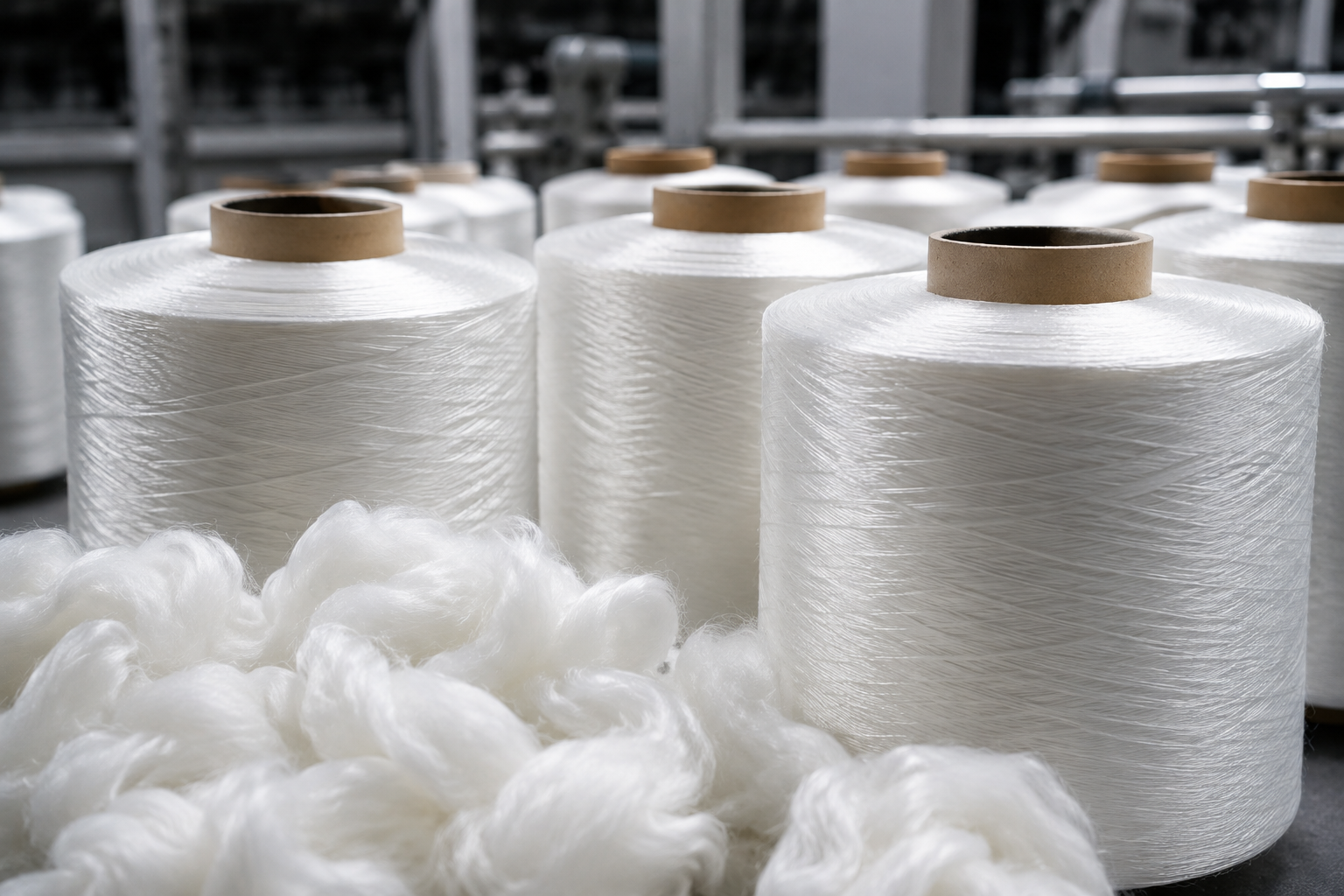
Most fleece, roughly 90% of production, uses polyester fibers, with the remainder split between cotton-poly blends and recycled polyester (rPET). Polyester in fleece starts as PET pellets, the same base material used in plastic bottles, which are melted and extruded into long continuous filaments.
- Virgin polyester: The most common and lowest-cost option, offering consistent quality and wide manufacturer availability.
- Recycled polyester (rPET): Made from post-consumer plastic bottles or industrial polyester waste. It performs almost identically to virgin polyester and is certifiable through Textile Exchange’s Global Recycled Standard.
- Cotton-poly blend fleece: Adds natural fiber for breathability, at a tradeoff of slightly less insulation and a higher price per yard. The FTC’s Textile Fiber Products Identification Act requires the exact fiber content percentage of any blend to appear on the garment’s care label.
How Is Fleece Fabric Manufactured?
Fleece fabric is manufactured in three stages: fiber extrusion, knitting, and brushing. Each stage determines a different part of the finished fabric’s feel and performance.
- Fiber extrusion. PET plastic is melted and forced through small nozzles called spinnerets, producing continuous polyester filaments that are cooled, stretched, and cut or wound into yarn.
- Knitting. The polyester yarn is knitted, not woven, into a base fabric on a circular knitting machine. Knitting is what gives fleece its stretch and drape compared to a woven fabric like canvas.
- Napping and brushing. The knitted fabric passes through rollers fitted with fine wire brushes that pull individual fibers up from the surface, creating the raised pile. This step, called napping, is what traps air and produces fleece’s signature warmth and softness. A second brushing pass on both sides produces double-sided fleece, common in higher-weight garments.
Fabric weight is measured in GSM, meaning grams per square meter, the industry standard for comparing fabric thickness and warmth. Standard apparel fleece runs 200 to 300 GSM, while heavyweight outerwear fleece can run 300 to 400 GSM.
What Are the Properties of Fleece Fabric?
Fleece fabric is lightweight, quick-drying, and insulating, but it is not naturally wind-resistant or odor-resistant without additional treatment. The napped surface that makes fleece warm is also what makes it prone to pilling over time.
Property | Standard Fleece | Notes for Brand Owners |
Insulation | High | Traps air within the pile |
Weight | 200–400 GSM | Higher GSM = warmer, heavier |
Dry time | Fast | Does not absorb water like cotton |
Wind resistance | Low | Requires a bonded or laminated layer to block wind |
Pilling risk | Moderate to high | Anti-pill treatment reduces this significantly |
Breathability | Moderate | Lower than cotton, higher than laminated synthetics |
Anti-pill treatment is a chemical or mechanical finishing process that locks loose surface fibers in place, reducing the small fabric balls that form with wear and washing. If your product will see heavy use, request anti-pill fleece specifically in your tech pack rather than assuming it is standard. Per the American Apparel and Footwear Association (AAFA), unclear material specification is a leading cause of sampling delays for new apparel brands, which makes naming your GSM and pill-treatment upfront worth the extra line in your brief.
What Are the Different Types of Fleece Fabric?
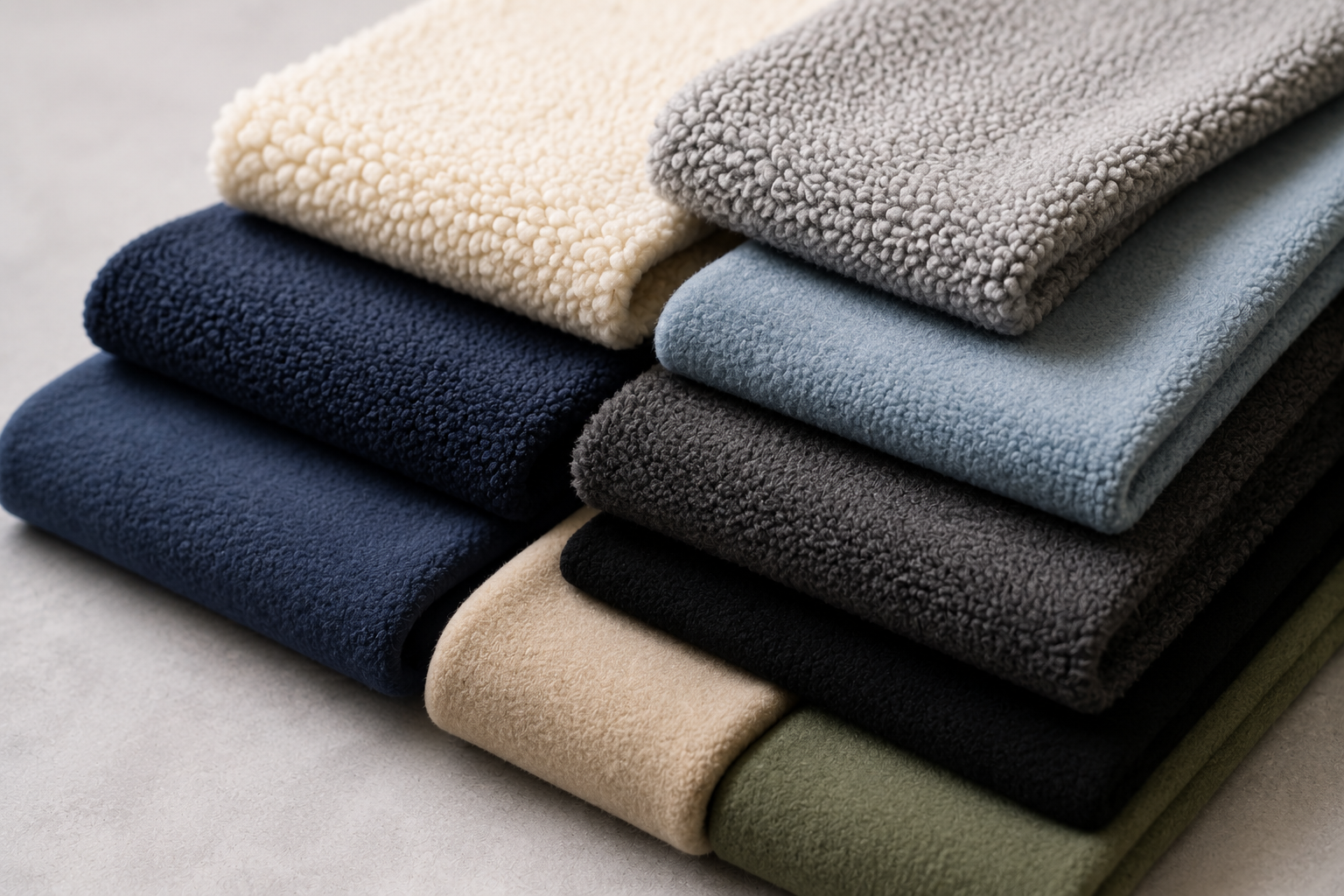
The main types of fleece fabric are polar fleece, microfleece, sherpa fleece, and French terry, each suited to a different weight class and end use.
Type | Weight | Best For |
Microfleece | Light (100–200 GSM) | Base layers, warm-weather layering |
Polar fleece | Mid (200–300 GSM) | Jackets, hoodies, casual outerwear |
Sherpa fleece | Heavy (300–400+ GSM) | Linings, outerwear, cold-climate apparel |
French terry | Light-mid, looped back | Sweatshirts, joggers, casualwear |
For a full breakdown of how fleece compares to the other 14 fabric categories US brands use most, see our guide to types of clothing fabric, which covers cost ranges and manufacturer availability for each.
Also Read: Best Hoodie Manufacturers in the USA →
Find Fleece Fabric Manufacturers on Maker’s Row
Once you know your fleece specification, the next step is finding a manufacturer who works with it. Maker’s Row connects apparel brand owners with verified US manufacturers, including several who work directly with fleece for hoodies and outerwear. Post your fleece project for free and manufacturers who carry your GSM and blend respond directly.
FAQs About Fleece Fabric
No, not always. Most fleece is majority or entirely polyester, but cotton-poly blend fleece and recycled polyester (rPET) fleece are both common alternatives depending on the brand’s budget and sustainability goals.
Yes, in most cases. Standard fleece is made from PET, the same polyester plastic used in beverage bottles, melted down and extruded into fiber before being knitted and brushed into fabric.
Most quality apparel fleece falls between 240 and 320 GSM. Below 200 GSM, fleece tends to feel thin and drapes poorly for outerwear. Above 350 GSM, it becomes a heavyweight fabric suited to sherpa linings rather than everyday hoodies.
Polyester fleece resists shrinking better than cotton because synthetic fibers do not absorb and release water the same way. Cotton-blend fleece can shrink slightly, typically 2 to 5%, in the first wash if not pre-shrunk during finishing.
It depends on the source. Virgin polyester fleece is petroleum-based and not biodegradable. Recycled polyester (rPET) fleece reduces reliance on new plastic and can carry Global Recycled Standard certification, though it still sheds microplastics in the wash like any polyester fabric.
Yes. Fleece is one of the most common materials for casual outerwear and midlayers, though standard fleece is not wind-resistant on its own. Brands building technical outerwear often laminate or bond fleece to a wind-blocking membrane for that reason.
Ready to Source Your Fleece Fabric?
Your fleece-based product is one manufacturer away from becoming real. When you are ready, the factories are on Maker’s Row, waiting to bid.