What Are the Best Korean Skincare Brands for Glass Skin?
Some of the best Korean skincare brands for achieving a hydrated, glowing complexion include:
COSRX: Known for snail mucin, targeted treatments, and skincare essentials.
Laneige: Popular for hydration-focused moisturizers and sleeping masks.
Beauty of Joseon: Combines traditional Korean-inspired ingredients with modern skincare formulations.
Anua: Known for heartleaf-based skincare and soothing formulations.
Medicube: Offers targeted skincare products and at-home beauty devices.
Round Lab: Popular for gentle, hydration-focused skincare.
Torriden: Known for hyaluronic acid-based hydration products.
SKIN1004: Recognized for centella asiatica-based skincare.
These brands offer different approaches to skincare, making it easier to explore products based on hydration, skin barrier support, soothing care, and overall skin appearance.
18 Best Korean Skincare Brands You Should Know
Korean beauty, commonly known as K-beauty, has introduced innovative skincare concepts to international markets. From lightweight essences and hydrating toners to advanced serums and barrier-supporting moisturizers, Korean beauty brands offer products for a wide range of skincare preferences.
Here are 18 Korean skincare brands worth exploring.
1. COSRX
COSRX is one of the most recognized Korean skincare brands, particularly among people looking for targeted skincare solutions. The brand is known for products featuring snail mucin, salicylic acid, niacinamide, and other commonly used skincare ingredients.
Its Advanced Snail 96 Mucin Power Essence and Acne Pimple Master Patch are among its recognizable products.
Best known for: Snail mucin, acne-focused skincare, and targeted treatments.
2. Laneige
Laneige focuses on hydration and moisture-focused skincare. Its products are popular among consumers looking for lightweight hydration and overnight skincare solutions.
The Water Sleeping Mask and Lip Sleeping Mask are two of its best-known products.
Best known for: Hydrating moisturizers, sleeping masks, and lip care.
3. Beauty of Joseon
Beauty of Joseon combines traditional Korean beauty inspiration with contemporary skincare formulations. Its products feature ingredients such as rice extract, ginseng, and propolis.
The brand is particularly recognizable for its Glow Serum and Relief Sun sunscreen.
Best known for: Rice-based skincare, ginseng, glow serums, and sun protection.
4. Anua
Anua has gained attention in the K-beauty market for its soothing, minimalist skincare approach. The brand is particularly associated with heartleaf-based formulations.
Its Heartleaf 77 Soothing Toner is a recognizable product among Korean skincare enthusiasts.
Best known for: Heartleaf toner, soothing skincare, and lightweight formulations.
5. Medicube
Medicube combines skincare formulations with technology-driven beauty products. Its product range includes targeted treatments, serums, creams, and at-home skincare devices.
The brand has become particularly visible for its PDRN-focused skincare and AGE-R beauty devices.
Best known for: Targeted skincare, PDRN products, and beauty devices.
6. Innisfree
Innisfree is a well-established Korean beauty brand associated with ingredients sourced from Jeju Island. Its product range includes cleansers, moisturizers, serums, and masks.
The Green Tea Seed Serum and volcanic clay products are among its recognizable offerings.
Best known for: Green tea skincare, clay masks, and everyday skincare essentials.
7. Sulwhasoo
Sulwhasoo is a premium Korean skincare brand that combines traditional Korean herbal ingredients with modern skincare research.
Its product collections include premium serums, creams, and anti-aging skincare products featuring ginseng-inspired formulations.
Best known for: Luxury skincare, ginseng, and premium anti-aging products.
8. Round Lab
Round Lab is known for gentle, hydration-focused skincare products. Its Dokdo skincare range has helped establish its position in the K-beauty market.
The brand offers cleansers, toners, moisturizers, and sunscreens.
Best known for: Hydration, gentle cleansers, and mineral-inspired skincare.
9. SKIN1004
SKIN1004 is recognized for its centella asiatica-focused skincare products. Its Madagascar Centella range is popular among consumers interested in soothing and barrier-supporting skincare.
The brand offers serums, ampoules, cleansing products, and moisturizers.
Best known for: Centella asiatica, soothing ampoules, and sensitive-skin-focused skincare.
10. Dr. Jart+
Dr. Jart+ combines skincare innovation with a dermatology-inspired approach. Its product collections address concerns such as dryness, skin sensitivity, and barrier support.
Its Cicapair and Ceramidin ranges are among its recognizable collections.
Best known for: Cica skincare, ceramides, and barrier-supporting products.
11. Torriden
Torriden focuses on hydration-oriented skincare, with formulations featuring ingredients such as hyaluronic acid.
Its DIVE-IN range is particularly recognizable among consumers looking for lightweight moisturizing products.
Best known for: Hyaluronic acid serums, lightweight hydration, and moisturizers.
12. Klairs
Klairs is known for minimalist skincare formulations and products designed for people who prefer straightforward skincare routines.
Its Supple Preparation Facial Toner and Freshly Juiced Vitamin Drop are recognizable products.
Best known for: Gentle skincare, hydration, and vitamin C products.
13. Etude
Etude offers accessible Korean beauty products, including skincare and makeup. Its SoonJung collection is particularly relevant for consumers interested in gentle skincare formulations.
Best known for: Affordable skincare, gentle formulations, and beginner-friendly products.
14. Some By Mi
Some By Mi focuses on targeted skincare products featuring ingredients such as AHA, BHA, PHA, tea tree, and snail mucin.
Its Miracle skincare range is popular among consumers exploring exfoliating and blemish-focused skincare.
Best known for: Exfoliating toners, blemish-focused skincare, and active ingredients.
15. Pyunkang Yul
Pyunkang Yul takes a minimalist approach to skincare, offering products designed around simple formulations and hydration.
Its Essence Toner and Moisture Cream are recognizable products.
Best known for: Minimalist skincare, moisturizers, and hydration.
16. Biodance
Biodance has gained attention for its hydrogel skincare products, particularly its collagen-focused masks.
Its Bio-Collagen Real Deep Mask is a recognizable product in the Korean beauty market.
Best known for: Hydrogel masks, collagen-focused skincare, and intensive moisturizing treatments.
17. Dr. Althea
Dr. Althea is a Korean skincare brand offering products focused on hydration, soothing care, and skin barrier support.
Its product range includes serums, creams, and moisturizing treatments.
Best known for: Barrier-supporting skincare, moisturizers, and gentle formulations.
18. Missha
Missha is an established Korean beauty brand offering skincare and makeup products across different price ranges.
Its Time Revolution collection is particularly recognizable for essence-based skincare.
Best known for: Facial essences, anti-aging skincare, and affordable beauty products.
Best Korean Skincare Brands Based on Skin Type
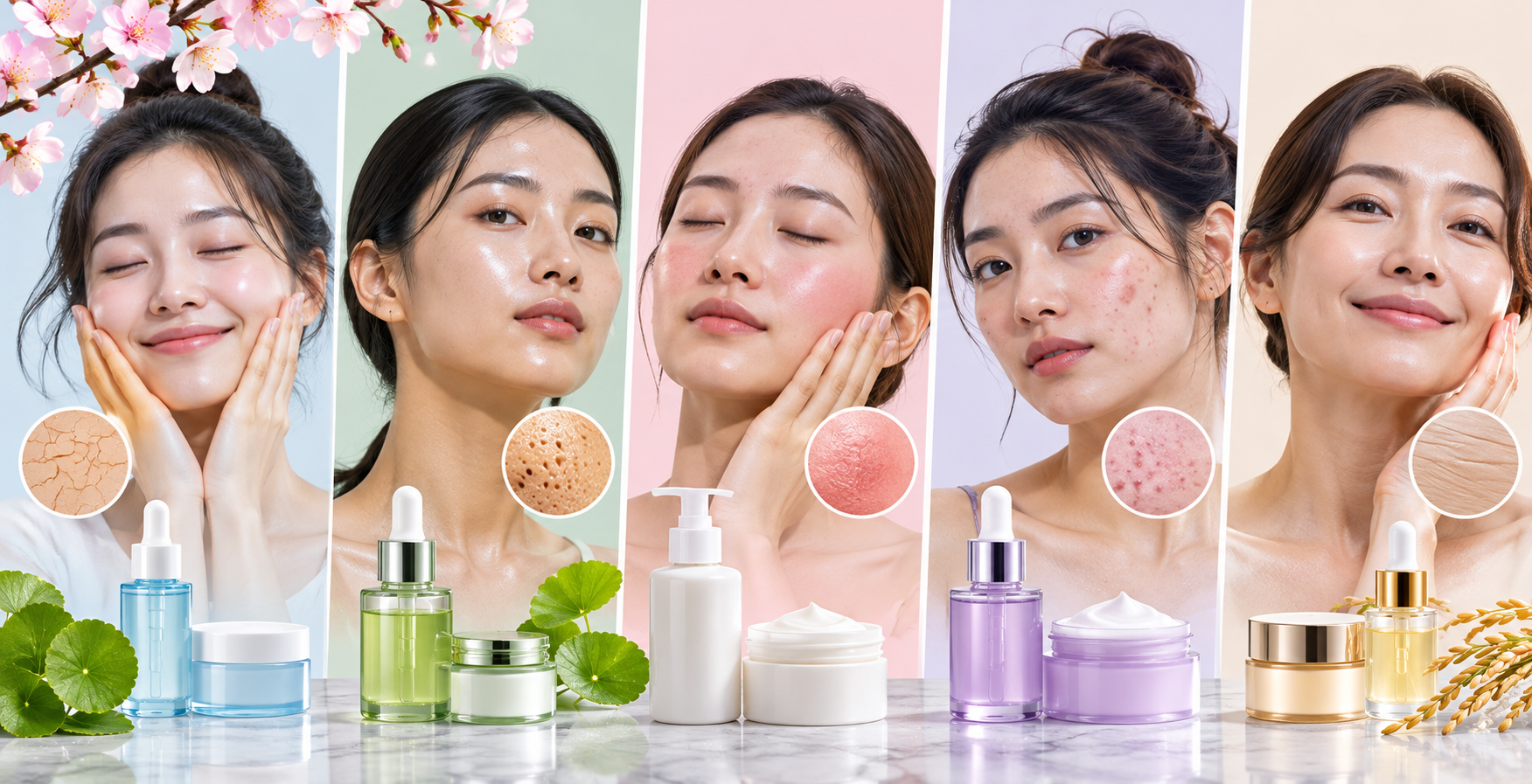
Not every Korean skincare brand offers the same formulations or addresses the same skin concerns. Choosing products based on your skin type and ingredient preferences can help you build a more suitable skincare routine.
| Skin Type | Ingredients to Explore | Korean Brands to Consider |
|---|---|---|
| Dry Skin | Hyaluronic acid, ceramides, squalane | Laneige, Torriden, Round Lab |
| Oily Skin | Niacinamide, green tea, lightweight hydrators | COSRX, Innisfree, Anua |
| Sensitive Skin | Centella asiatica, panthenol, ceramides | SKIN1004, Klairs, Dr. Jart+ |
| Acne-Prone Skin | Salicylic acid, niacinamide, tea tree | COSRX, Some By Mi |
| Combination Skin | Hyaluronic acid, niacinamide, lightweight moisturizers | Beauty of Joseon, Round Lab |
| Mature Skin | Peptides, ginseng, retinoids and suitable alternatives | Sulwhasoo, Medicube, Missha |
Always check individual product ingredients and formulations rather than assuming every product from a brand is suitable for your skin type.
Key Ingredients That Make Korean Skincare Products Popular
One of the biggest reasons behind the popularity of Korean skincare brands is their approach to combining traditional ingredients with modern cosmetic formulation techniques.
Here are some ingredients commonly found in K-beauty products.
1. Snail Mucin
Snail secretion filtrate is used in skincare formulations for its moisturizing properties. It is commonly featured in essences and serums designed to support hydrated-looking skin.
2. Centella Asiatica
Also known as cica, centella asiatica is widely used in soothing skincare formulations, particularly products designed for sensitive or irritated skin.
3. Hyaluronic Acid
Hyaluronic acid is a popular humectant that helps attract and retain moisture, making it a common ingredient in hydrating serums, toners, and moisturizers.
4. Rice Extract
Rice-derived ingredients are used in various skincare formulations, including products designed for hydration and improving the appearance of dull skin.
5. Niacinamide
Niacinamide is a form of vitamin B3 commonly used in skincare products targeting uneven skin tone, excess oil, and the appearance of pores.
6. Ceramides
Ceramides are lipids that help support the skin barrier and reduce moisture loss. They are commonly included in moisturizers and barrier-supporting skincare products.
7. Ginseng
Ginseng is a traditional botanical ingredient used in Korean-inspired skincare formulations, particularly premium serums and creams.