Italian fashion manufacturers earned their reputation on stitch density, mill-grade fabric, and finishing work most factories skip entirely. Finding one that will actually talk to an independent US brand, not just a legacy fashion house, takes real digging past marketing pages that all say the same thing. This guide verifies seven Italian fashion manufacturers you can research and contact directly, plus what it actually takes to source from Italy without losing your margin to shipping and duties.
Most directory sites listing Italian fashion manufacturers just aggregate marketing copy with no verifiable company behind it: no confirmed address, no founding history, no named source you can check. That is a real risk for a US brand owner about to wire a deposit overseas. Every manufacturer below has a confirmed location, a documented founding date, and a named source you can verify yourself.
As of 2026, Italy’s oldest tailoring association traces back to the 14th century, and that depth of craft tradition is exactly why Italian fashion manufacturers still command premium positioning in categories like tailoring, knitwear, and leather goods. If you already know your fabric and construction requirements, Start Your Free Project, and verified US manufacturers who work at a comparable premium construction level can respond directly. Première Vision
What Should You Look for in an Italian Fashion Manufacturer?
Look for a manufacturer with a confirmed physical address in Italy, a documented founding history, and named clients or press coverage you can verify independently. Beyond that baseline, weigh five factors before reaching out.
- Minimum order quantity, quoted in euros. Italian mills and ateliers frequently set minimums by meterage or unit count that differ meaningfully from US norms.
- Lead time including international shipping. Production plus ocean or air freight typically adds 3 to 6 weeks versus a domestic US run.
- Fabric or construction speciality. A wool mill and a cut-and-sew garment house solve different problems, so know which one your product needs.
- Sample shipping cost and customs handling. Duties and import fees apply to every sample shipment, not just bulk orders.
- Communication cadence across the time zone. A 6 to 9 hour gap from most US time zones means slower back-and-forth than a domestic factory.
Cut-and-sew is production that starts from raw fabric and follows your own pattern through to a finished garment, as opposed to a mill that only supplies fabric. For general planning context, SBA guidance on working with international suppliers is worth reviewing before your first order.
7 Verified Italian Fashion Manufacturers (2026)
Manteco S.p.A.
Location: Montemurlo, Prato, Italy
Founded: 1943
Speciality: High-end wool fabric, recycled and low-impact wool fibers
Best for: Brands sourcing premium wool fabric for outerwear or tailoring
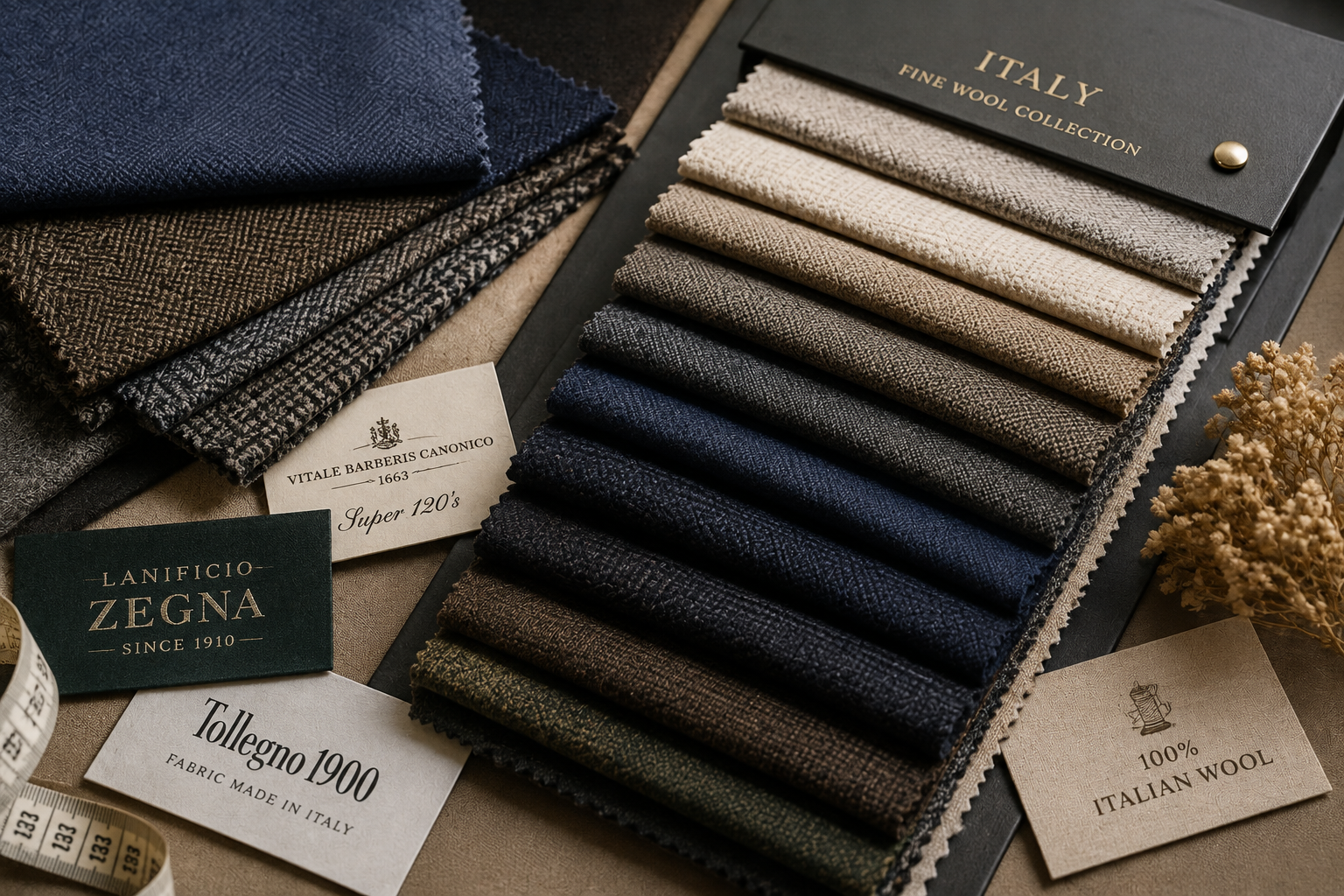
Manteco is an Italian textile company headquartered in Montemurlo, in the Prato textile district, founded in 1943, producing high-end fabrics with a core focus on recycled and low-impact wool fibers. The company remains family-run five generations later, which matters if you want a stable long-term fabric partner rather than a one-off supplier.
Fedeli (Luigi Fedeli e Figlio S.r.l.)
Location: Monza, Italy
Founded: 1934
Speciality: Luxury cashmere knitwear
Best for: Brands building a premium knitwear line
Fedeli is an Italian luxury knitwear and apparel company specialising in cashmere, founded in 1934 in Monza, and remains family-owned with operations based at its historic headquarters. Zegna and Prada each hold minority stakes, which signals the kind of production quality larger houses are comfortable partnering with.
Lanificio Cangioli 1859
Location: Prato, Italy
Founded: 1859
Speciality: Multifiber textile production, wool and total-look fabric collections
Best for: Brands needing consistent seasonal fabric collections
Lanificio Cangioli is a textile company founded in Prato in 1859 as a small craft workshop, built on ethics, innovation, sustainability, and creativity. The company’s registered address and business filings are publicly listed, which is worth confirming yourself before any deposit changes hands.
Nuti Ivo Group
Location: Santa Croce sull’Arno, Tuscany, Italy
Founded: 1955
Speciality: Leather tanning for fashion and accessories
Best for: Brands needing tanned leather rather than finished garments
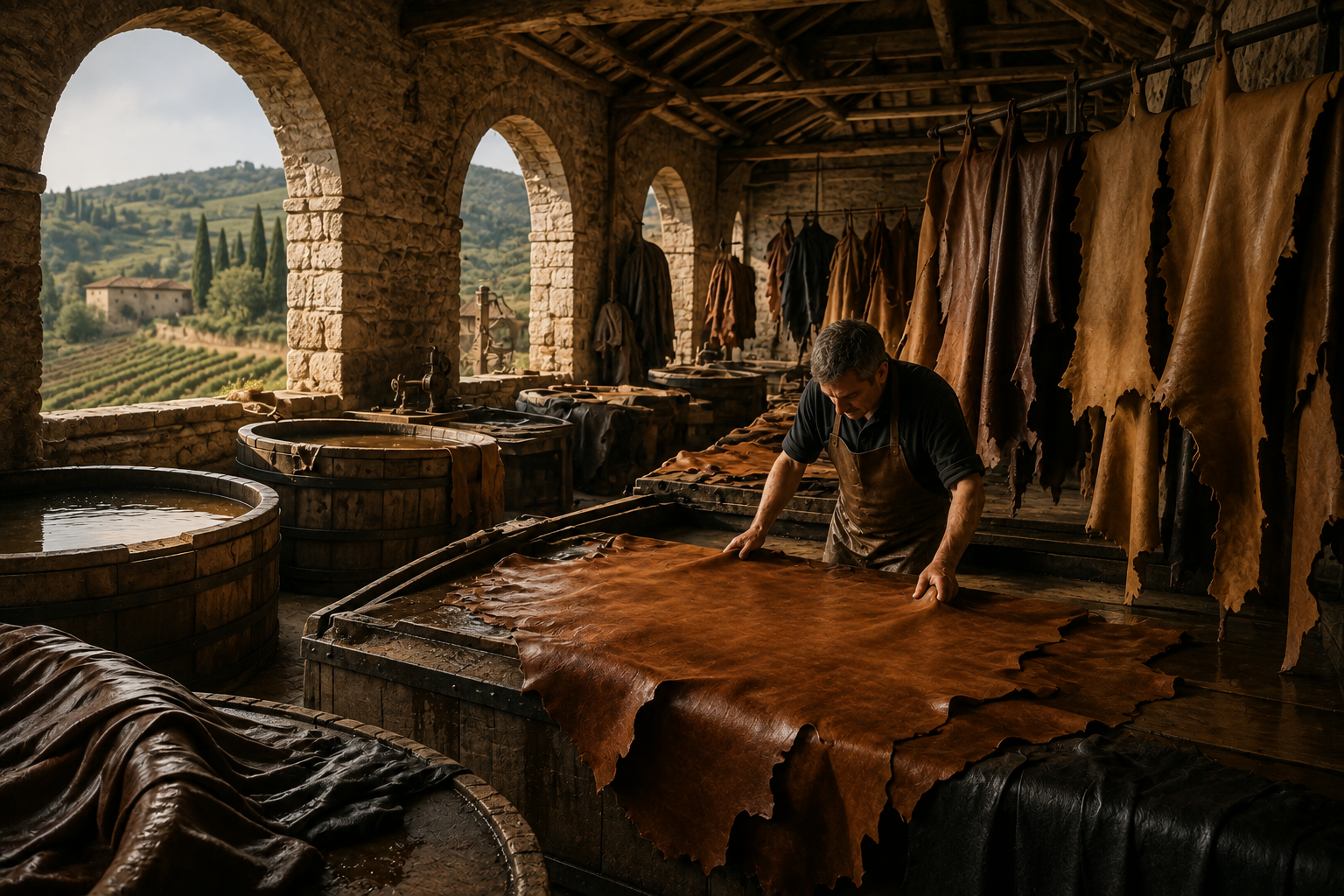
Founded in 1955, the family-run Nuti Ivo Group is headquartered in Santa Croce sull’Arno, a Tuscan district home to more than 250 leather companies, and processes roughly one million hides a year. LVMH holding a majority stake in the group is a strong third-party signal of production standards.
SMI Tessuti S.p.A.
Location: Prato, Italy
Founded: 1992
Speciality: Knit fabric for women’s ready-to-wear
Best for: Brands needing knit yardage rather than finished garments
SMI Tessuti was founded in 1992 by Luca Mattei as part of the Filatura Nivale Group, a carded-yarn manufacturer founded in 1962, with a focus on knit fabrics for women’s ready-to-wear.
Artigiana Italia
Location: Italy (company does not publish a specific city)
Founded: 1974, per company records
Speciality: Private label shirt manufacturing
Best for: Brands launching a premium shirt line under private label
Artigiana Italia has produced premium private label shirts since 1974, blending artisanal construction with technology and hands-on inspection before each garment ships. Founding year here comes from the company’s own records rather than independent press, so verify directly before committing.
Italian Artisan
Location: Milan, Italy (headquarters); coordinates workshops across Italy
Founded: Not independently verified
Speciality: Private label coordination across jacket, outerwear, and hoodie categories
Best for: Brands that want one point of contact managing multiple Italian factories
Italian Artisan’s headquarters, where it coordinates all its workshops, is located in Milan, with production spread across Italy. The company reports working with over 2,000 fashion brands through its network; that figure is self-reported and should be verified with references before you sign on.
Comparison Table: Italian Fashion Manufacturers at a Glance
The table below compares all seven verified Italian fashion manufacturers by location, founding year, and specialty.
Manufacturer | Location | Founded | Speciality | Best For |
Manteco S.p.A. | Montemurlo, Prato | 1943 | Wool fabric | Outerwear, tailoring fabric |
Fedeli | Monza | 1934 | Cashmere knitwear | Premium knitwear lines |
Lanificio Cangioli 1859 | Prato | 1859 | Multifiber textiles | Seasonal fabric collections |
Nuti Ivo Group | Santa Croce sull’Arno | 1955 | Leather tanning | Leather goods, accessories |
SMI Tessuti S.p.A. | Prato | 1992 | Knit fabric | Ready-to-wear knit yardage |
Artigiana Italia | Italy (city undisclosed) | 1974* | Shirt manufacturing | Private label shirts |
Italian Artisan | Milan | Undisclosed | Multi-category coordination | Managed multi-factory sourcing |
*Per company records, not independently verified.
Choosing between fabric mills and full garment manufacturers means understanding exactly what stage of production you need help with before you ever request a quote.
Bring That Standard to Your US Production Line
Once you know what these Italian fashion manufacturers actually deliver in construction and fabric, the fastest way to build it into your own line is a verified US manufacturer who can execute at that level domestically. Sourcing directly from Italy works well for fabric and leather, but full garment production overseas adds freight time, customs handling, and a currency conversion that a first-time buyer often underestimates. According to AAFA, the domestic apparel and footwear industry supports more than 3.6 million US workers and contributes over 523 billion dollars in annual retail sales, a base broad enough to include the kind of small-batch premium factories that can match Italian-level finishing.
Maker’s Row is a marketplace connecting apparel brand owners with verified US manufacturers, including small-batch and tailoring-focused factories capable of premium, Italian-quality construction domestically. Browse the full range of verified clothing manufacturers in the USA to compare specialities before you decide whether to import Italian fabric into a US-made garment or pursue full production overseas. For what to actually ask a US factory that claims Italian-quality construction, see the guide to sourcing Italian quality manufacturing in the USA.
Also Read: How to Find a Clothing Manufacturer in the USA →
How Do You Actually Source From an Italian Manufacturer as a US Brand?
You source from an Italian manufacturer by requesting a written quote in euros, confirming MOQ per style, budgeting 3 to 6 weeks for international sample shipping and customs clearance, and paying a deposit only after a signed agreement. Skipping any of these steps is where first-time importers lose money.
- Request a written quote, not a verbal estimate. Get MOQ, price per unit in euros, and lead time in writing before any deposit.
- Confirm sample shipping cost and customs duties separately. A modest sample can cost more in shipping and duties than in production.
- Check MOQ requirements against your actual order size. Many Italian mills set fabric minimums by meterage, not finished-garment count.
- Budget for currency conversion. Euro-to-dollar swings can shift your landed cost by several percentage points between quote and payment.
- Confirm labeling requirements before your first shipment lands. Federal law requires that most textile and wool products carry a label listing fiber content, country of origin, and the identity of the manufacturer or another business responsible for the product, per the FTC, and getting this wrong at customs can delay your entire shipment. Aafa Global
- Verify the company independently before wiring a deposit. Confirm the registered business address and request references from other brands they have worked with.
FAQs About Italian Fashion Manufacturers
Italian fashion manufacturers typically use denser stitch counts, natural fiber mill fabrics, and more hand-finishing steps than standard US production, reflecting a manufacturing tradition that traces back roughly 700 years to Italy’s earliest tailoring guilds. This adds cost but also adds durability and drape that machine-only finishing does not match.
Confirm the company’s registered business address through public filings, request references from brands they have produced for, and avoid any company that will not provide a written quote before a deposit.
MOQ varies by category: fabric mills often set minimums by meterage rather than unit count, while garment manufacturers typically require 50 to 300 units per style, similar to US private label minimums.
Usually yes, once freight, customs duties, and currency conversion are added to the unit price, though fabric-only sourcing, meaning buying Italian mill fabric for US-made garments, can control costs better than full overseas production.
Some can, particularly fabric mills and private label coordinators used to working with independent brands, but many long-established ateliers prioritize established relationships. Confirm MOQ and minimum order value before assuming a fit.
Yes, but budget for both shipping cost and customs duties on every sample shipment, and confirm the total landed cost of a sample before requesting one.
Yes. The most common path is to start with one hero style, such as a single waist cincher or shaping short in two sizes, and use that initial run to validate fit and compression before expanding the line. You do not need manufacturing experience to post a project, review bids, and request wear-tested samples from a domestic shapewear manufacturer.
Your Next Manufacturer Might Already Be on Maker’s Row
Building Italian-caliber quality into your line does not require managing overseas freight and customs on your first production run. Verified US manufacturers capable of matching what Italian fashion manufacturers deliver are ready to bid on your project today.