Streetwear in the USA is no longer a subculture. It is a multi-billion dollar industry with new brands entering the market every season. The question most people ask is: who is actually leading the culture right now, and what separates those brands from everyone else? This guide covers the best streetwear brands in 2026 and what aspiring brand owners can learn from each one.
The global streetwear market was valued at $187.3 billion in 2024 and is projected to reach $324.59 billion by 2033, according to SkyQuest market research. That growth is not driven by legacy alone. It is driven by brands that understand community, product discipline, and cultural authenticity.
According to Business of Fashion, generative AI is reshaping how consumers discover streetwear brands in 2026, accelerating the advantage for labels with strong identity clarity.
What separates the best streetwear brands from the rest is not budget. It is clarity. The top labels in 2026 know their customer, control their supply chain, and build scarcity into the product release model rather than chasing volume.
If you are building a brand in this space, this guide shows you what the best are doing right.
Looking for a clothing manufacturer for your streetwear brand? Post your project on Maker’s Row to connect with U.S. manufacturers based on your product and production requirements.
What Makes a Great Streetwear Brand?
The best streetwear brands share a set of qualities that go beyond having a strong logo. Design consistency, manufacturing quality, community loyalty, and a clear cultural identity are the pillars that allow a streetwear brand to survive past the first drop cycle.
- Design philosophy: A singular, recognisable aesthetic that customers can identify in seconds
- Quality of materials: Heavyweight cotton, quality construction, and consistent fit. Streetwear customers notice the difference.
- Manufacturing ethics: Knowing where and how your product is made, and being able to stand behind it
- Brand identity: A story that connects to a specific cultural moment, city, or community
- Community: The audience that advocates for the brand before a drop, not just after it
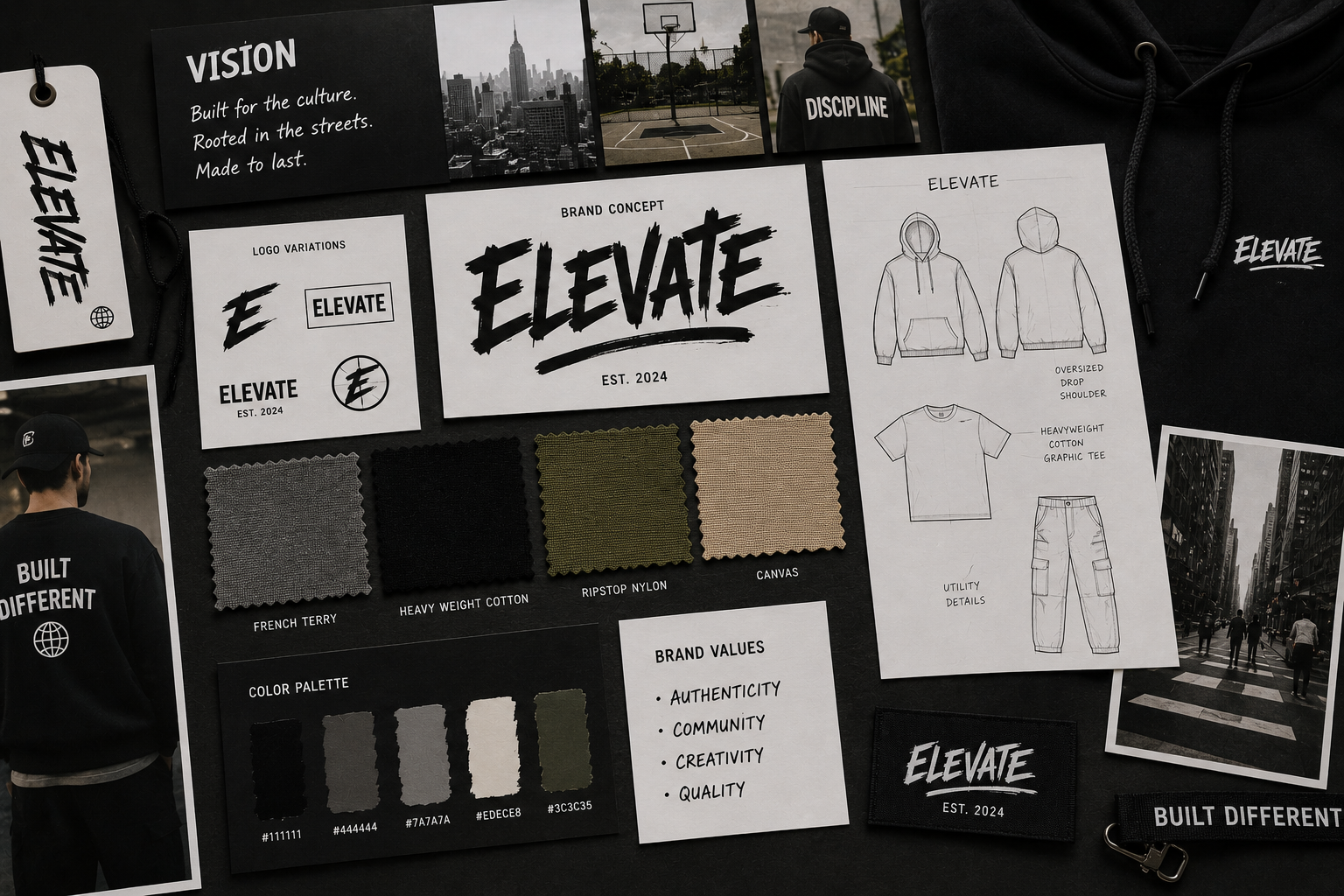
Best Streetwear Brands in the USA 2026
These are the streetwear brands setting the standard in 2026, from OG institutions to the fastest-rising newcomers.
1. Supreme
The brand that created drop culture. Founded in New York City in 1994 by James Jebbia, Supreme built the blueprint that every streetwear brand since has referenced.
- Founded: 1994
- Known for: Box Logo hoodies and tees, limited weekly drops, iconic collaborations
- Price range: $$$
- What sets them apart: Supreme remains the No. 2 best-selling apparel brand on the secondary market as of 2026. Its post-VF Corporation return to skate-focused roots has renewed credibility with a core audience that briefly felt the brand had drifted.
2. Fear of God / ESSENTIALS
Jerry Lorenzo’s Los Angeles label redefined what American luxury streetwear looks like. Fear of God holds the No. 1 spot for apparel sales on StockX for the fourth consecutive year, largely driven by the Essentials diffusion line.
- Founded: 2013
- Known for: Oversized silhouettes, neutral palettes, minimal branding, luxury-adjacent construction
- Price range: –$
- What sets them apart: The ESSENTIALS line proved that simple pieces, executed with perfect fabric weight and fit, generate sustained demand without relying on loud graphics or celebrity co-signs.
3. Stüssy
The original. Shawn Stussy started by signing surfboards in California. That signature became a brand. Four decades later, Stüssy operates nearly 30 stores globally with collections that sell out at every release.
- Founded: 1980
- Known for: Script logo, California beach and skate roots, effortless versatility
- Price range: $$
- What sets them apart: Stüssy is proof that authenticity outlasts hype. Its collaboration with Dior in 2020 showed that heritage streetwear and high fashion can coexist without either losing credibility.
4. KITH
Founded by Ronnie Fieg, KITH operates as both a streetwear brand and a retailer, giving it a unique vantage point that most labels do not have. Flagship stores in New York, Miami, Paris, and Tokyo function as cultural destinations, not just retail outlets.
- Founded: 2011
- Known for: Premium lifestyle positioning, collaborations with Nike, Adidas, New Balance, BMW, Coca-Cola
- Price range: –$
- What sets them apart: KITH demonstrated that a streetwear brand can scale into a full lifestyle ecosystem without diluting its identity. Its 2025 press coverage reached its highest point ever through high-profile automotive and heritage footwear partnerships.
5. Aimé Leon Dore (ALD)
Queens-born and New Balance-backed, ALD created what many call the blueprint for “grown-up streetwear.” Founded by Teddy Santis, the brand blends preppy heritage influences with New York multicultural identity.
- Founded: 2014
- Known for: New Balance collaborations, varsity jackets, refined knitwear, consistent sell-through
- Price range: $$$
- What sets them apart: ALD’s ongoing New Balance partnership is one of the most influential footwear collaborations of the decade. The brand proved that streetwear can grow up without losing its edge.
[IMAGE: streetwear hoodies and joggers laid flat, American brand style | ALT: top American streetwear brands 2026]
6. Off-White
The late Virgil Abloh built Off-White into the most influential bridge between streetwear brands and high fashion. The label continues to evolve in 2026, using bold typography and luxury construction to connect cultural commentary with commercial product.
- Founded: 2012
- Known for: Diagonal stripes, quotation mark graphics, luxury-streetwear fusion
- Price range: $$$
- What sets them apart: Off-White remains a primary entry point for consumers seeking the intersection of streetwear and runway. Its continued press presence after Abloh’s passing reflects the depth of identity he built.
7. Anti Social Social Club (ASSC)
Few streetwear brands have demonstrated the power of a single emotional concept as clearly as ASSC. Founded in Los Angeles by Neek Lurk, the brand turned social anxiety into a brand identity.
- Founded: 2015
- Known for: Pastel and pink graphics, single-statement logo pieces, ironic emotional messaging
- Price range: $$
- What sets them apart: ASSC built a loyal audience before it had scale. The founding story, one person and one concept built on social media, is a model that new brand owners still reference today.
8. Denim Tears
Founded by Tremaine Emory, Denim Tears uses clothing as a platform for cultural and historical storytelling. Its Cotton Wreath motif, referencing the legacy of cotton in American history, made it one of the most discussed streetwear brands of the past four years.
- Founded: 2019
- Known for: Cotton Wreath graphic, Levi’s collaboration, cultural commentary through product
- Price range: $$$
- What sets them apart: Denim Tears proved that a brand built on meaning rather than hype can still generate commercial demand. Every collection starts a conversation.
9. Awake NY
Former Supreme insider Angelo Baque founded Awake NY as a distinctly New York streetwear brand, rooted in the city’s cultural melting pot, focused on sharp graphic work, and carrying social messaging that streetwear rarely touches.
- Founded: 2012
- Known for: New York identity, strong graphic language, cultural engagement
- Price range: $$
- What sets them apart: Awake NY is evidence that a streetwear brand with a clear geographic and cultural identity can build a loyal following without mega-budget marketing.
10. Brain Dead
More collective than conventional brand, Brain Dead pulls from post-punk, skateboarding, underground comics, and experimental film. The result is a visual identity that feels deliberately unpolished and completely intentional.
- Founded: 2014
- Known for: Heavy graphic output, crossover with film and art communities, cult following
- Price range: $$
- What sets them apart: Brain Dead operates outside conventional streetwear logic. It has partnered with film studios, artists, and designers, building a community that feels more like a subculture than a customer base.
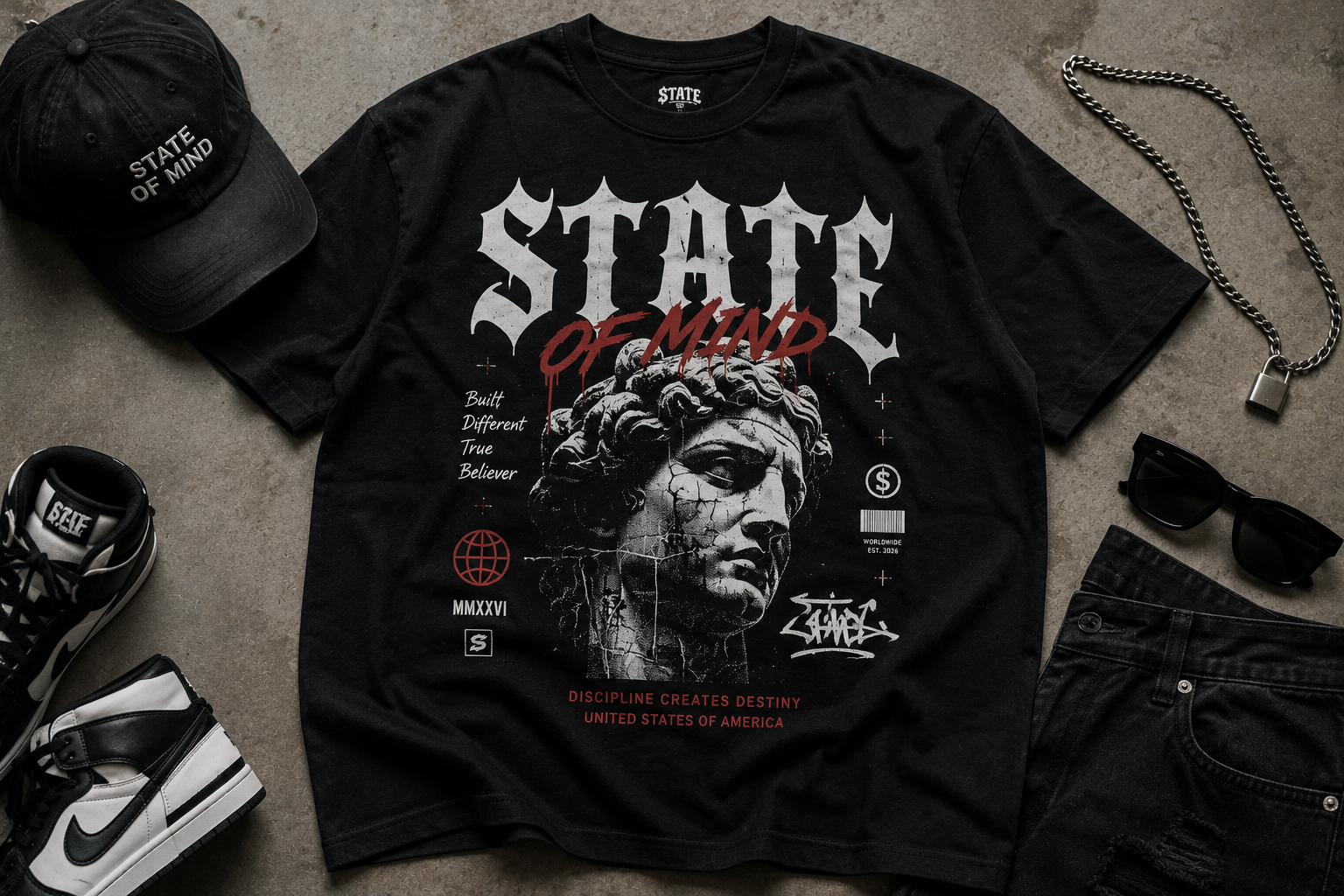
11. Hellstar
The breakout streetwear brand of the past two years. Hellstar has seen explosive growth on resale platforms, often outperforming established brands in month-over-month sales. Its graphic-heavy, punk-inspired aesthetic connects with a younger generation seeking bold self-expression.
- Founded: 2020
- Known for: Gothic and punk graphics, rapid drop sell-through, strong StockX performance
- Price range: $$
- What sets them apart: Hellstar is the clearest example in 2026 of what a streetwear brand can achieve with consistent visual identity and community-first distribution, even without legacy.
12. Rhude
Founded in Los Angeles by Rhuigi Villaseñor, Rhude bridges streetwear and luxury runway in a similar lane to Fear of God, but with a distinct West Coast elegance rooted in vintage Americana.
- Founded: 2015
- Known for: Bandana prints, vintage-inspired graphics, luxury streetwear positioning
- Price range: $$$
- What sets them apart: Rhude’s ability to sit comfortably between streetwear and fashion week has earned it a high-fashion audience without abandoning its street roots.
13. Madhappy
Madhappy built its brand around mental health awareness, an emotional identity that generated genuine community before it generated significant revenue. The Los Angeles label has grown into one of the most recognised wellness-adjacent streetwear brands in the country.
- Founded: 2017
- Known for: Positive messaging, quality heavyweight hoodies, community pop-up events
- Price range: –$
- What sets them apart: Madhappy demonstrated that a streetwear brand with a clear values statement, backed by quality product, does not need legacy heritage to build loyalty. Every piece carries a message.
14. Carrots (by Anwar Carrots)
Founded by Anwar Carrots in Los Angeles, Carrots is a streetwear brand that turned a distinctive visual system into a globally recognised identity. Collaborations with Reebok, NBA teams, and New Balance have extended its reach far beyond its independent origins.
- Founded: 2015
- Known for: Carrot motif branding, bright colour palettes, LA culture
- Price range: $$
- What sets them apart: Carrots proved that a highly specific, even absurdist brand identity can scale, as long as the product quality and community engagement are genuine.
15. Come Sundown
A newer entrant from New York, Come Sundown approaches streetwear from a fine art perspective. Limited drops, hand-finished details, and a deliberately small audience give it credibility within the segment of the market that prioritises craft over clout.
- Founded: 2020
- Known for: Art-influenced graphics, limited quantities, New York creative community ties
- Price range: $$$
- What sets them apart: Come Sundown represents where the most forward-thinking streetwear consumers are moving, toward craft, restraint, and cultural substance over pure hype.
What These Brands Have in Common
Every brand on this list started with one clear idea and a focused product, a single hero item that communicated the brand identity in one garment.
They found a manufacturer before they found a large audience. They tested small. They built community before they scaled inventory. Madhappy launched with pop-up events and word of mouth before retail. Fear of God released limited, controlled drops before pursuing the Essentials volume strategy. Hellstar built its resale heat through consistent community drops before most press outlets had covered it.
The common thread across the best streetwear brands is not budget or connections. It is discipline, knowing what the brand stands for and refusing to dilute it for short-term volume.
Also Read: How to Find the Right Streetwear Clothing Manufacturer for Your Brand →
Every streetwear brand on this list started exactly where you might be right now, with a strong idea and a need to find the right manufacturer to bring it to life.
How to Start Your Own Streetwear Brand
The opportunity is real. A $187 billion global market, a consumer base that actively seeks new labels, and a manufacturing infrastructure in the USA that can support a streetwear brand starting with 50–100 units per style. You do not need to be the next Supreme to build a profitable label.
Step 1: Define your hero product. One great piece done well beats ten average pieces. Decide whether your streetwear brand starts with a hoodie, a graphic tee, or a distinctive outerwear piece, and go deep on that item before expanding.
Step 2: Build your brand identity. Name, aesthetic, and target audience come before production. Study what a brand like Denim Tears or Awake NY did — a specific cultural identity that makes it immediately clear who the brand is for.
Step 3: Find your manufacturer. This is where most streetwear brands stall. Streetwear is not forgiving on execution. Fit, fabric weight, and finishing details determine whether a piece feels legitimate. You need a manufacturer who has produced streetwear before, not just basic apparel.
Finding that manufacturer does not have to mean months of cold emails and trade show cold calls. On Maker’s Row, brand owners post unlimited manufacturing projects for free and receive bids from verified US factories at no upfront cost. To connect directly, subscription plans give full access.
FAQs About Streetwear Brands
Supreme remains the most globally recognised American streetwear brand, still ranking as the No. 2 best-selling apparel brand on resale platforms in 2026. For cultural heat among younger audiences, Fear of God Essentials and Hellstar are generating the strongest consumer engagement right now.
Several brands on this list, including Rhude, Madhappy, Awake NY, and Come Sundown, produce portions of their collections domestically. US manufacturing offers faster sampling, quality control, and the ability to position your streetwear brand with Made in USA credibility, which carries real consumer value in this market. AAFA’s data on domestic apparel manufacturing confirms that US-based production has seen renewed investment from independent labels prioritising lead time and quality control.
Most successful streetwear brands start with a trusted domestic manufacturer who understands the specific requirements of the category, including oversized fits, heavyweight fabrics, specialty wash treatments, and custom hardware. Platforms like Maker’s Row let you post your streetwear project and receive bids from verified US factories who work with these requirements regularly. You can also read our guide to finding a streetwear clothing manufacturer for a deeper breakdown.
A realistic budget for a first streetwear drop starts at $5,000–$15,000 for small-batch domestic production, covering sampling, a limited production run of 50–150 units, and basic branding. Cut-and-sew production gives you the most control over fit and construction. For more on production costs and methods, read the cut and sew manufacturers USA guide.
Most US cut-and-sew manufacturers work with MOQs between 50 and 300 units per style, depending on complexity. Starting with 50–100 units lets you test market response before committing to larger production runs. State your target MOQ clearly in any manufacturer brief.
The best streetwear brands combine three things: a recognisable visual identity, consistent product quality, and genuine community engagement. Drop culture alone does not sustain a label. Stüssy has been relevant for over 40 years because the identity is real, not manufactured. Fear of God Essentials sustains demand because the quality justifies the price. Community, craft, and clarity are the fundamentals.
For a new streetwear brand, domestic manufacturing offers faster sampling cycles, easier communication, and quality control you can oversee in person. Many of the most respected independent streetwear brands in this guide source domestically for their core pieces. The cost is higher per unit, but the reduction in risk and lead time often justifies it at early production volumes.
Your Streetwear Brand Starts With One Decision
Your streetwear brand is one manufacturer away from becoming real. The factories that work with streetwear labels, including cut-and-sew specialists, wash houses, and screen printers, are on Maker’s Row, ready to bid on your project.
Post your streetwear project for free. Describe your hero product, your target MOQ, and any specific requirements. Verified US manufacturers who work in this category will respond directly.