Starting a luxury clothing brand is one of the most exciting moves a creative entrepreneur can make. It is also one of the most unforgiving: the fabric, the construction, and the finish all have to earn the price tag, or the whole brand falls apart. This guide is different. It gives you the exact steps from concept to first production run, including how to find a US manufacturer capable of luxury-grade work even if you have never done this before.
The global luxury apparel market was valued at $80.13 billion in 2023 and is projected to reach $106.10 billion by 2030, according to Grand View Research. That growth is not evenly distributed. It rewards brands that get three things right: product quality that justifies a premium price, a manufacturing partner capable of that quality, and a brand story that gives the price context.
Most people trying to start a luxury clothing brand get stuck on the same three obstacles: they do not know how to translate a design vision into a manufacturable product, they underestimate what luxury-grade production actually costs, and they do not know how to find a US manufacturer who works at that level. This guide solves all three, in order, so you can move from idea to a finished, sellable garment.
Step 1: Define Your Brand Identity and Hero Product
Before you contact a single factory, write a one to two page brand brief covering your target customer, your price point, and your three closest competitor brands. A luxury clothing brand only works when every decision, from the brief onward, is deliberate.
Decide where your brand sits on the spectrum first. A quiet luxury positioning built on fabric weight and construction is a different brief than a logo-forward statement piece, and it changes which manufacturers you should approach later. If you are unsure how your brand should be positioned, understanding the difference between luxury, premium, and designer categories will help you write a sharper brief and set the right price point from day one.
Pick one hero product for your luxury clothing brand. Do not launch a twelve-piece collection first. A single, exceptionally executed piece, whether that is a tailored wool coat or a silk slip dress, gives you a clear story to tell and a single item to perfect before you scale.
Step 2: Know Your Target Customer
The customer for a luxury clothing brand buys for different reasons than a mass-market customer. They are paying for craftsmanship, exclusivity, and a brand narrative they want to be associated with. Write down who this customer is: their income range, their existing wardrobe brands, and the specific moment they would reach for your product.
This research directly shapes your manufacturing decisions. A customer who expects hand-finished seams and natural fibers requires a different factory relationship than one who expects fast turnaround on trend pieces. Get this wrong and you will end up sourcing at a quality level your customer does not value, or paying for craftsmanship your price point cannot support.
Talk to 10 to 15 potential customers before you finalize your hero product. Ask what they currently pay for comparable pieces and what makes them trust a new luxury clothing brand enough to buy from it.
Step 3: Build Your Product Concept and Tech Pack
Once your hero product and customer are defined, translate the concept into a tech pack: the specification document a manufacturer needs to produce your garment correctly. For a luxury clothing brand, this document has to be more detailed than a standard brief, since fabric weight, stitch count, and finish tolerances are the entire value proposition.
Also Read: Tech Pack Clothing: What It Is and How to Create One →
Include exact fabric specifications with fiber content and gsm weight, seam and stitch construction details, trim and hardware sourcing, and a finished-garment quality standard the factory can be held to. If you are working with a luxury fabric like fine wool, silk, or full-grain leather, name the mill or supplier if you already have one in mind.
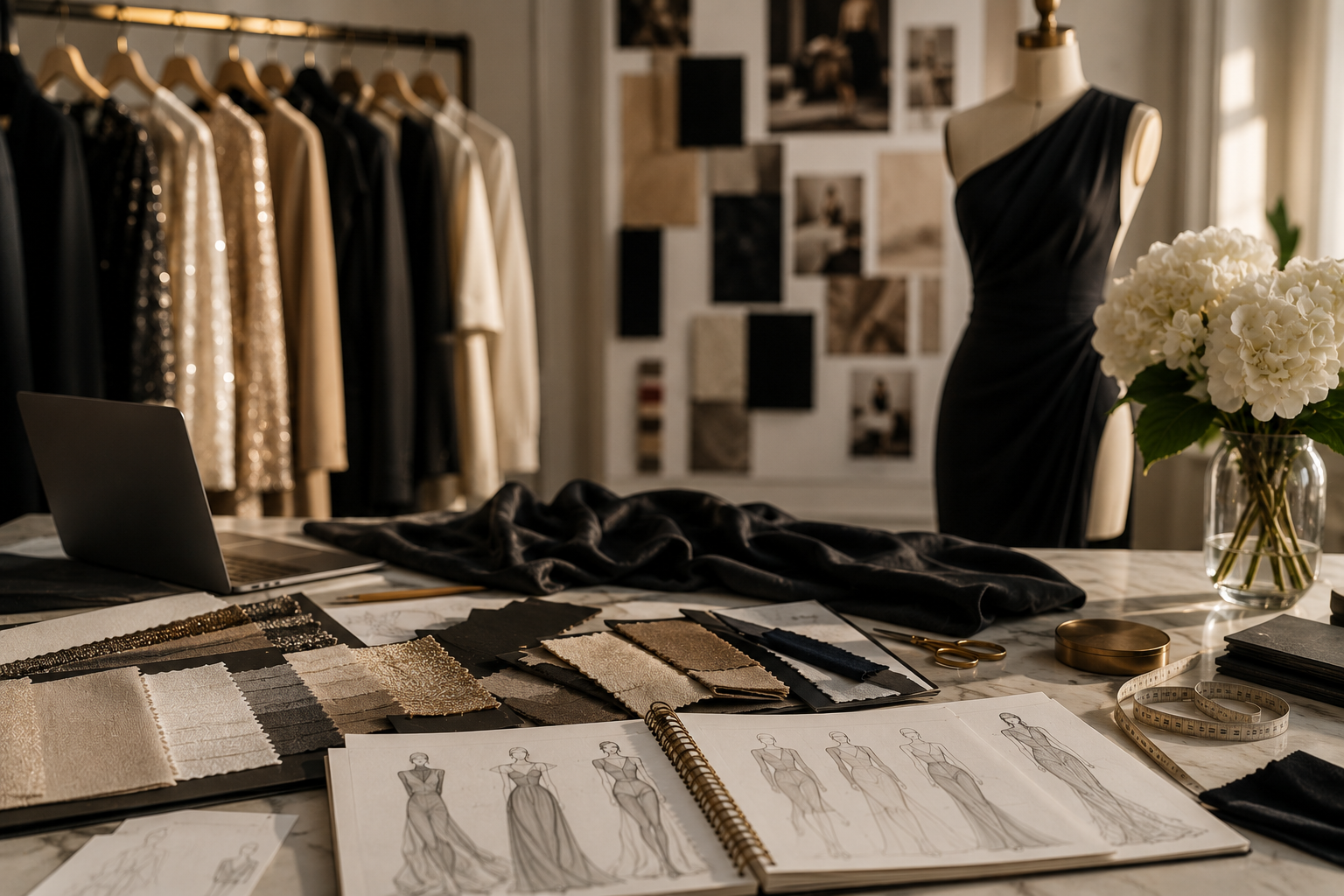
Step 4: Find Your Manufacturer
This is where most founders trying to start a luxury clothing brand get stuck, and it determines whether the brand actually launches.
The old way means cold emails to factories found through Google searches, attendance at trade shows, or hoping an industry contact knows someone. This process routinely takes three to six months, and a majority of that outreach never gets a reply. It is worse for a luxury clothing brand specifically, because most cut and sew factories default to conventional fabrics and construction, and only a smaller subset is set up for luxury-grade materials and finishing.
What to look for in a luxury clothing manufacturer:
- Fabric experience. Confirm the factory has direct experience with the specific luxury material in your tech pack, not just general apparel experience.
- MOQ. Luxury factories often accept lower minimum order quantities than mass-market cut and sew houses, since unit prices are higher. Confirm the number before you send your tech pack.
- Sample policy and finishing standard. Ask to see finished samples of comparable garments, not just swatches.
- Communication speed. A factory that takes a week to answer an inquiry will take longer once you have a live production problem.
Before reaching out, run through a manufacturer readiness checklist so you are approaching factories with a complete, professional brief rather than a partial idea.
Find Luxury Clothing Manufacturers on Maker’s Row
Finding the right manufacturer for your luxury clothing brand does not have to mean months of cold emails. On Maker’s Row, post your luxury clothing project for free and verified US manufacturers bid directly. Review bids, check profiles, connect when ready.
When you post your project, describe your fabric specification, target unit cost, and finishing standard clearly. Manufacturers who work in fine wool, silk, leather, or other premium materials respond to briefs that match their capabilities, and factories on Maker’s Row are active and responsive, with many replying within 24 to 48 hours of a new project being posted.
Step 5: Order Samples and Refine
Order samples from at least two manufacturers before committing to a production run, even if the second sample costs more. A luxury clothing brand forgives fewer mistakes than a mass-market label, since your customer will notice a loose seam or an off-weight fabric immediately.
Evaluate every sample against your tech pack, point by point: does the fabric match the specified weight and hand, is the construction clean at every seam, and does the finished garment hold its shape after handling. Document every revision request in writing so the factory has a clear reference for the next round.
Most luxury brand owners need two to three sample rounds before a garment is production-ready. Budget the time and the sample cost for this into your launch timeline from the start, rather than treating it as an unexpected delay.
Step 6: Plan Your Production Run and Budget
Once your sample is approved, build a realistic production budget before you place your order. Understanding typical apparel manufacturing costs in the USA will help you set a per-unit target that still supports luxury margins after materials, labor, and finishing.
A realistic first production run for a luxury clothing brand typically includes higher per-unit costs than mass-market apparel, reflecting premium fabric, hand-finishing labor, and smaller batch sizes. Plan for a longer lead time as well, since luxury fabric sourcing and finishing add weeks that a basic tee or hoodie run would not require.
The Small Business Administration’s business plan guide is a trusted framework for building a startup budget, and SCORE’s free mentorship program pairs new founders with experienced retail and apparel mentors who can review your production budget before you commit capital.
Step 7: Launch and Market Your Brand
Your launch should reflect the same restraint and precision as your product. A luxury clothing brand rarely launches with a wide release, since a limited first drop builds scarcity and gives early customers a reason to talk about the brand before it is widely available.
Photograph the product in a way that shows construction detail, not just styling, since your customer is evaluating craftsmanship as much as design. Build a waitlist before you launch so your first units sell into demand you have already validated, rather than hoping demand appears after the fact.
Once your first run sells, use customer feedback and sell-through data to refine your second production run and, eventually, expand into a small, deliberate collection built around your original hero product.
Also Read –> Top Streetwear Brands in USA
Also Read–> Women’s Fashion Brands
FAQs: Starting a Luxury Clothing Brand
Expect to need more upfront capital than a mass-market apparel brand requires, because of higher fabric costs, smaller production runs, and hand-finishing labor. Budget for tech pack development, two to three sample rounds, your first production run, and a marketing reserve. Use the Small Business Administration’s planning tools to build a realistic number for your specific product category before you approach any factory.
Yes, though luxury product punishes gaps in preparation more than mass-market apparel does. What you need is a precise tech pack, a manufacturer experienced in your specific fabric category, and patience through multiple sample rounds. Many successful luxury founders came from branding, retail, or finance backgrounds rather than fashion design.
Post a project brief on Maker’s Row specifying your fabric type, target unit cost, and finishing standard. Verified US manufacturers with experience in premium materials respond directly to briefs that match their capabilities, which is faster than cold-emailing factories from a directory search.
MOQ, or minimum order quantity, is the smallest number of units a manufacturer will produce in one order. Many luxury-capable factories accept lower MOQs than mass-market cut and sew houses because higher unit prices offset the fixed setup cost of a smaller run, which can make a first luxury production run more accessible than founders expect.
Plan for four to six months from concept to delivered inventory. Tech pack development, luxury fabric sourcing, and two to three sample rounds each take longer than they would for a basic apparel category, and finishing detail adds time to production itself.
Yes. A tech pack is even more important for luxury product than for mass-market apparel, since fabric weight, stitch detail, and finish tolerance define the entire value of the garment. Without one, a factory cannot quote accurately or produce a sample that matches your standard.
Use a non-disclosure agreement before sharing a detailed tech pack with any factory, and file for trademark protection on your brand name and logo through the United States Patent and Trademark Office. Reputable manufacturers will sign an NDA without hesitation.
Some luxury-capable US factories will accept starting orders as low as 25 to 50 units per style, though this varies significantly by fabric and construction complexity. Confirm MOQ directly with each manufacturer, since luxury minimums vary far more than mass-market apparel minimums.
Your Luxury Clothing Brand Is Closer Than You Think
Your luxury clothing brand is one manufacturer away from becoming real. The factories are on Maker’s Row, ready to bid.